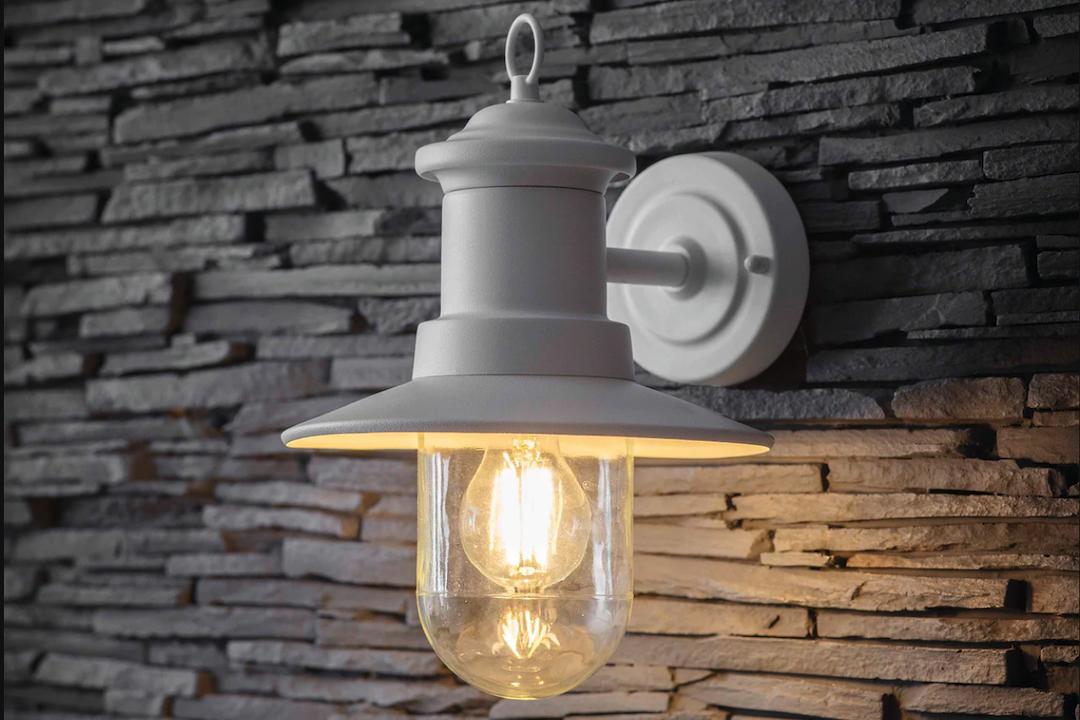
Exterior wall lights on ships serve a multifaceted purpose that extends beyond mere illumination. They play a crucial role in ensuring safety and security, particularly during nighttime operations or in low-visibility conditions. Proper lighting can significantly reduce the risk of accidents by illuminating pathways, decks, and critical areas where crew members may be working or moving about.
For instance, on a cargo ship, exterior wall lights Um4u can guide crew members safely along the deck, helping them avoid potential hazards such as equipment or cargo that may obstruct their path. This is particularly vital in emergency situations where visibility is compromised, allowing for a swift and safe evacuation if necessary. Moreover, exterior wall lights contribute to the overall aesthetic appeal of a vessel.
A well-lit ship not only enhances its visual presence but also reflects the professionalism and attention to detail of its operators. In the competitive maritime industry, where first impressions can influence business opportunities, the aesthetic quality of a ship can be a deciding factor for clients and partners. The strategic use of lighting can transform a standard vessel into an inviting and impressive sight, making it more appealing to potential customers and stakeholders.
Thus, the importance of exterior wall lights transcends functionality; they are integral to the ship’s identity and operational effectiveness.
Types of Exterior Wall Lights for Ships
When it comes to exterior wall lights for ships, there is a diverse array of options available, each designed to meet specific needs and preferences. One common type is LED wall lights, which have gained popularity due to their energy efficiency and longevity. LEDs consume significantly less power compared to traditional incandescent bulbs, making them an environmentally friendly choice that aligns with modern sustainability goals.
Additionally, their durability ensures that they can withstand harsh marine environments, including saltwater exposure and extreme weather conditions. Another type of exterior wall light is the floodlight, which provides broad illumination over large areas. Floodlights are particularly useful on larger vessels where extensive deck space needs to be illuminated for safety and operational efficiency.
They can be mounted on walls or poles and are often adjustable, allowing for targeted lighting in specific areas such as loading docks or workstations. Furthermore, solar-powered wall lights are becoming increasingly popular in maritime applications. These lights harness solar energy during the day and provide illumination at night, reducing reliance on onboard power sources and contributing to energy savings.
Factors to Consider when Choosing Exterior Wall Lights for Ships
Selecting the appropriate exterior wall lights for ships involves careful consideration of several factors to ensure optimal performance and safety. One of the primary considerations is the light’s brightness and beam angle. The intensity of the light should be sufficient to illuminate critical areas without causing glare that could impair visibility for crew members.
A well-distributed beam angle is essential for covering larger spaces effectively while minimizing dark spots that could pose safety risks. Another important factor is the material and construction of the lights. Given the corrosive nature of the marine environment, it is vital to choose lights made from materials that can withstand exposure to saltwater and harsh weather conditions.
Stainless steel and marine-grade aluminum are commonly used materials due to their resistance to corrosion and durability. Additionally, the ingress protection (IP) rating of the lights should be considered; a higher IP rating indicates better protection against dust and water ingress, which is crucial for maintaining functionality in marine settings.
Installation and Placement of Exterior Wall Lights on Ships
The installation and placement of exterior wall lights on ships require careful planning to maximize their effectiveness while ensuring compliance with safety regulations. Typically, lights should be installed at strategic locations where they can provide optimal illumination without obstructing crew movement or operations. Common installation points include along walkways, near staircases, and at entry points to cabins or storage areas.
It is essential to ensure that lights are positioned at an appropriate height to avoid damage from equipment or cargo while still providing adequate visibility. Moreover, consideration should be given to the electrical wiring and power supply during installation. Properly sealed connections are necessary to prevent water ingress, which could lead to electrical failures or hazards.
Additionally, integrating lighting controls such as motion sensors or timers can enhance energy efficiency by ensuring that lights are only activated when needed. This not only conserves energy but also extends the lifespan of the lighting fixtures.
Benefits of Enhancing Ship Aesthetics with Exterior Wall Lights
Enhancing ship aesthetics with exterior wall lights offers numerous benefits that extend beyond visual appeal. A well-lit vessel can create a welcoming atmosphere for passengers and crew alike, fostering a sense of safety and comfort during nighttime operations. For cruise ships or luxury yachts, this aesthetic enhancement can significantly elevate the overall guest experience, making evening activities more enjoyable and memorable.
Furthermore, aesthetically pleasing lighting can serve as a branding tool for shipping companies. A unique lighting design can set a vessel apart from competitors, creating a distinctive identity that resonates with clients and stakeholders. For example, some companies may choose to incorporate colored LED lights that align with their corporate branding during special events or celebrations.
This not only enhances the ship’s appearance but also reinforces brand recognition in a crowded marketplace.
Case Studies of Ships with Enhanced Aesthetics using Exterior Wall Lights
Several notable case studies illustrate the transformative impact of exterior wall lights on ship aesthetics. One prominent example is the Royal Caribbean’s Symphony of the Seas, one of the largest cruise ships in the world. The ship features an innovative lighting design that incorporates dynamic LED lighting along its exterior walls, creating stunning visual effects that change throughout the evening.
This not only enhances the ship’s appearance but also provides an engaging experience for passengers as they enjoy outdoor spaces like pools and lounges. Another example is the luxury yacht Azzam, which showcases a sophisticated approach to exterior lighting. The yacht employs strategically placed wall lights that highlight its sleek lines and elegant design while providing functional illumination for safety.
The use of warm white LED lights creates an inviting ambiance that complements the yacht’s luxurious aesthetic, making it a standout in any marina.
Maintenance and Care for Exterior Wall Lights on Ships
Maintaining exterior wall lights on ships is essential for ensuring their longevity and functionality in challenging marine environments. Regular inspections should be conducted to check for signs of corrosion or damage caused by exposure to saltwater and harsh weather conditions. Cleaning fixtures periodically is also crucial; accumulated salt deposits can diminish light output and lead to premature failure if not addressed promptly.
Additionally, it is important to replace any burnt-out bulbs or damaged fixtures immediately to maintain safety standards on board. Implementing a routine maintenance schedule can help identify potential issues before they escalate into more significant problems. This proactive approach not only ensures that lighting systems remain operational but also contributes to overall safety by preventing dark areas on the ship that could pose hazards.
Future Trends in Ship Aesthetics with Exterior Wall Lights
As technology continues to evolve, future trends in ship aesthetics with exterior wall lights are likely to focus on smart lighting solutions and sustainable practices. The integration of smart technology allows for greater control over lighting systems, enabling operators to adjust brightness levels based on real-time conditions or specific events. For instance, automated systems could dim lights during quiet hours or increase brightness during busy operational periods, enhancing both energy efficiency and user experience.
Sustainability will also play a significant role in shaping future trends in ship lighting design. The continued advancement of solar-powered lighting solutions will likely lead to wider adoption across various types of vessels, reducing reliance on traditional power sources while minimizing environmental impact. Additionally, innovations in LED technology will pave the way for even more efficient lighting options that offer enhanced performance while consuming less energy.
In conclusion, as ships continue to evolve in design and functionality, exterior wall lights will remain a critical component in enhancing safety, aesthetics, and operational efficiency within the maritime industry.