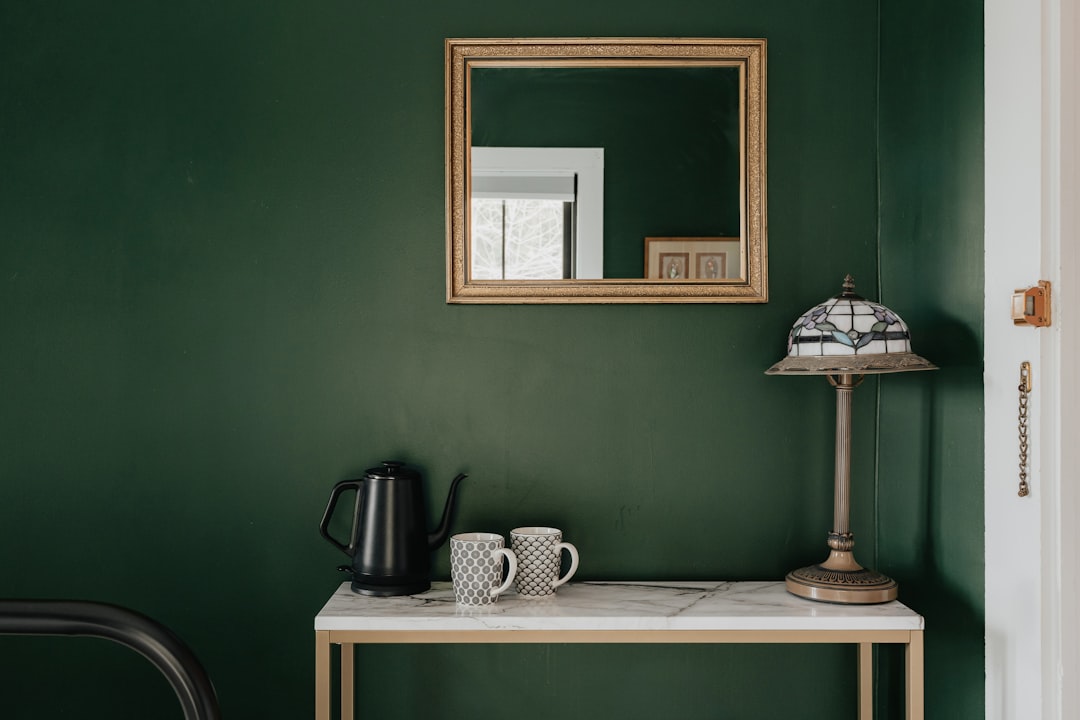
The minimalist clay wall lamp represents a design paradigm rooted in simplicity and natural materials. This type of lighting fixture, often handcrafted, emphasizes form and function, drawing inspiration from ancient pottery techniques and contemporary interior design principles. Its primary objective is to provide subdued, ambient illumination while serving as an understated decorative element within a space.
The underlying philosophy of a minimalist clay wall lamp is reductionism. It strips away ornamental excess to reveal the intrinsic beauty of its core components: clay, light, and a functional structure. This design choice is not merely aesthetic; it is a deliberate rejection of visual clutter, aiming to foster a sense of calm and order within an environment.
Simplicity in Form
The forms adopted by these lamps are typically elemental. You will often encounter geometric shapes – circles, squares, or organic curves – that blend seamlessly with diverse interior styles. The absence of intricate detailing allows the lamp itself to recede, permitting the emitted light to become the focal point. This simplicity can be seen as a visual breath, a moment of stillness in a visually dynamic world.
Emphasis on Materials
Clay is the primary material, chosen for its tactile qualities and historical significance. It offers a warm, earthy texture that synthetic materials cannot replicate. The unglazed surface often retains the subtle imperfections of the crafting process, lending each piece a unique character. This emphasis on natural materials reflects a broader movement towards sustainable and biophilic design, reconnecting inhabitants with the natural world.
Materiality and Craftsmanship
The choice of clay is central to the identity of these lamps. Understanding the properties of this material and the processes involved in transforming it into a lighting fixture is crucial to appreciating its inherent value.
Types of Clay Used
Various types of clay are employed, each contributing distinct characteristics to the final product.
Earthenware
Earthenware, a porous type of clay fired at relatively low temperatures, is frequently used. Its characteristic reddish-brown hue, often left unglazed, provides a rustic and organic aesthetic. The porosity of earthenware means it typically requires a sealant if used in environments with excessive moisture, though for wall lamps, this is less of a concern. Its soft, matte finish diffuses light gently, creating a warm glow.
Stoneware
Stoneware, fired at higher temperatures than earthenware, results in a more vitrified, durable, and less porous material. It often comes in shades of gray, brown, or off-white. Stoneware lamps possess a robust feel and a slightly smoother surface. The denser nature of stoneware can allow for finer detailing in the lamp’s structure, though minimalist designs tend to eschew such embellishments.
Terracotta
A specific type of earthenware, terracotta (meaning “baked earth” in Italian), is renowned for its distinctive reddish-orange color. Its historical use in architecture and pottery imbues terracotta lamps with a sense of timelessness. The characteristic color adds a natural warmth to any room, and its unglazed texture provides a subtle visual interest.
Handcrafting Process
The handmade nature of many minimalist clay lamps is a significant aspect of their appeal. This process ensures individuality, as no two lamps are exactly identical.
Shaping Techniques
Potters employ various techniques to form the clay.
Wheel Throwing
For cylindrical or rounded forms, wheel throwing is a common method. The clay is centered on a spinning wheel, and the potter manipulates it with their hands to create the desired shape. This technique lends itself to smooth, symmetrical forms.
Slab Building
Slab building involves rolling out flat sheets of clay, which are then cut and joined to construct geometric shapes. This method is particularly suitable for square, rectangular, or more angular lamp designs. The visible seams where slabs are joined can become subtle design features, highlighting the construction process.
Coiling
Coiling is an ancient method where ropes of clay are stacked and smoothed to build up walls. This technique often results in organic, slightly irregular forms that celebrate the handmade aesthetic. The subtle undulations of a coiled lamp can interact with light in unique ways, creating shadows and highlights.
Firing and Finishing
Once shaped, the clay undergoes a firing process in a kiln, transforming it into a ceramic material. The temperature and duration of firing determine the clay’s final hardness and color. Many minimalist clay lamps are left unglazed to maintain their natural texture and matte finish, though a clear matte glaze might be applied for protection or to enhance a subtle sheen. The unglazed surface absorbs and diffuses light rather than reflecting it, contributing to a softer illumination.
Illumination Characteristics
The primary function of any lamp is to provide light. Minimalist clay wall lamps excel at producing a specific type of illumination that complements their aesthetic.
Ambient Lighting
These lamps are designed first and foremost to produce ambient light. This refers to the general, soft illumination that fills a room, reducing harsh shadows and creating a comfortable atmosphere. They are not intended for task lighting, which requires concentrated illumination for specific activities. Instead, they act as a gentle background presence, akin to the faint glow of a twilight sky.
Diffused Light
The opaque nature of clay ensures that light is diffused rather than directly projected. This diffusion softens the light output, preventing glare and creating a uniform spread of illumination. When light interacts with the textured surface of the clay, it can create subtle patterns and variations, adding depth to the visual experience.
Warm Color Temperature
Given the natural, earthy tones of clay, lamps of this type often pair well with light sources that emit a warm color temperature (typically between 2700K and 3000K). This warm light enhances the natural hues of the clay, creating a cozy and inviting atmosphere. It mimics the warmth of candlelight or an incandescent bulb, promoting relaxation and comfort.
Integration into Interior Design
The minimalist clay wall lamp is not an isolated object; its effectiveness lies in its harmonious integration within a broader interior design scheme.
Complementary Styles
These lamps are highly versatile, complementing a range of interior design styles.
Scandinavian
The Scandinavian aesthetic, characterized by simplicity, natural materials, and functionality, finds a natural ally in minimalist clay lamps. Their clean lines and earthy tones align perfectly with the unadorned elegance prevalent in Nordic design. They contribute to the hygge concept, fostering a sense of warmth and coziness.
Japandi
A hybrid style combining Japanese minimalism and Scandinavian functionality, Japandi interiors prioritize clean lines, natural textures, and a calm atmosphere. Clay wall lamps, with their understated beauty and connection to natural elements, are an ideal choice for this aesthetic, reinforcing the sense of tranquility and balance.
Bohemian
While often associated with more eclectic decor, bohemian interiors can also benefit from the grounding presence of a clay lamp. When paired with textiles, plants, and natural wood, the lamp adds an organic, handcrafted element that enhances the overall relaxed and unconventional vibe. It provides a tactile counterpoint to softer furnishings.
Rustic and Farmhouse
In rustic or farmhouse settings, where natural materials like wood, stone, and woven fabrics are prominent, a clay wall lamp feels inherently at home. It reinforces the connection to craft and the land, contributing to an authentic and unrefined aesthetic. The unglazed texture can particularly complement exposed brick or reclaimed wood.
Contemporary Minimalism
Even within strictly contemporary minimalist spaces, a clay lamp can provide a welcome organic touch, softening potentially stark lines and adding a layer of tactile interest. It serves as a gentle reminder of the human element in machine-made environments, a small anchor in a sea of polished surfaces.
Placement Considerations
Strategic placement is key to maximizing both the aesthetic and functional impact of these lamps.
Hallways and Corridors
In hallways and corridors, a series of minimalist clay wall lamps can provide a guiding light, creating a sense of rhythm and flow. Their soft illumination prevents these transitional spaces from feeling dark or uninviting. They can act as subtle signposts, directing movement through the home.
Bedside Lighting
As bedside lamps, they offer a gentle, unobtrusive light source, ideal for reading or creating a calming ambiance before sleep. Their wall-mounted nature frees up space on bedside tables, contributing to a decluttered bedroom environment. This can be particularly beneficial in smaller rooms where surface area is at a premium.
Living Room Accent
In living areas, a single clay wall lamp or a pair can serve as an elegant accent, highlighting a particular architectural feature, a piece of art, or simply providing a warm glow in a cozy corner. They are not designed to be the primary light source but rather to layer light, adding depth and interest. Imagine them as a quietly glowing ember, contributing to the hearth of your living space.
Bathroom and Spa-like Settings
The organic texture of clay can create a spa-like atmosphere in bathrooms, especially when combined with natural wood and stone elements. Ensure that any lamps used in moisture-prone areas are properly sealed or explicitly designed for such environments. They can transform a functional space into a sanctuary.
Sustainable and Ethical Considerations
The choice of a minimalist clay wall lamp often aligns with broader principles of sustainability and ethical consumption.
Natural Resource
Clay is an abundant natural resource, making it a sustainable material choice compared to many manufactured alternatives. Its extraction generally has a lower environmental impact than mining for rare metals or producing petroleum-based plastics.
Longevity and Durability
Fired clay, especially stoneware, is a highly durable material. A well-crafted ceramic lamp can last for decades, reducing the need for frequent replacement and contributing to a lower consumption lifestyle. This longevity stands in contrast to the planned obsolescence often seen in mass-produced items.
Artisanal Production
Many minimalist clay lamps are produced by independent artisans or small studios. Choosing such items supports local economies, preserves traditional craft skills, and often ensures more ethical labor practices compared to large-scale industrial manufacturing. Each purchase can be seen as an investment in human skill and creativity.
Reduced Environmental Footprint
The minimalist design itself contributes to a reduced environmental footprint, as fewer materials and less energy are typically expended in creating simpler forms. Furthermore, the focus on natural materials diminishes reliance on synthetic components that often have a higher carbon footprint during production and disposal.
In conclusion, the minimalist clay wall lamp is more than just a light source; it is an embodiment of thoughtful design, natural beauty, and conscious consumption. Its understated elegance and warm luminescence offer a reprieve from the clamor of modern life, inviting a sense of calm and connection to the elemental world within your living space. It doesn’t shout for attention; rather, it whispers, enhancing its surroundings with quiet confidence.