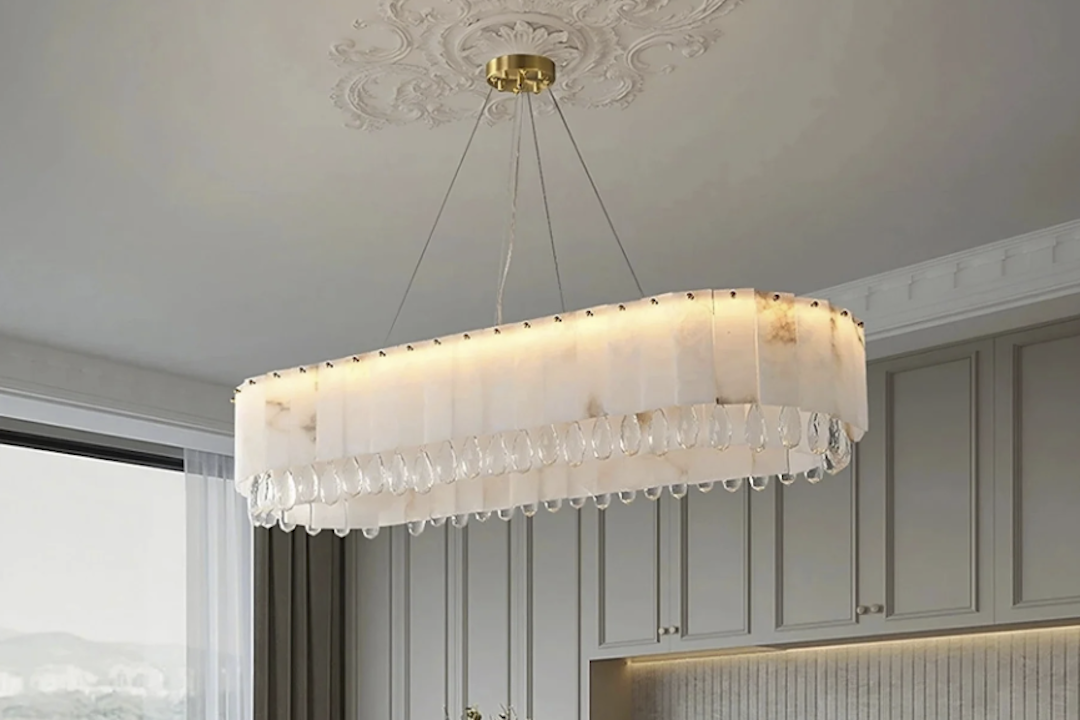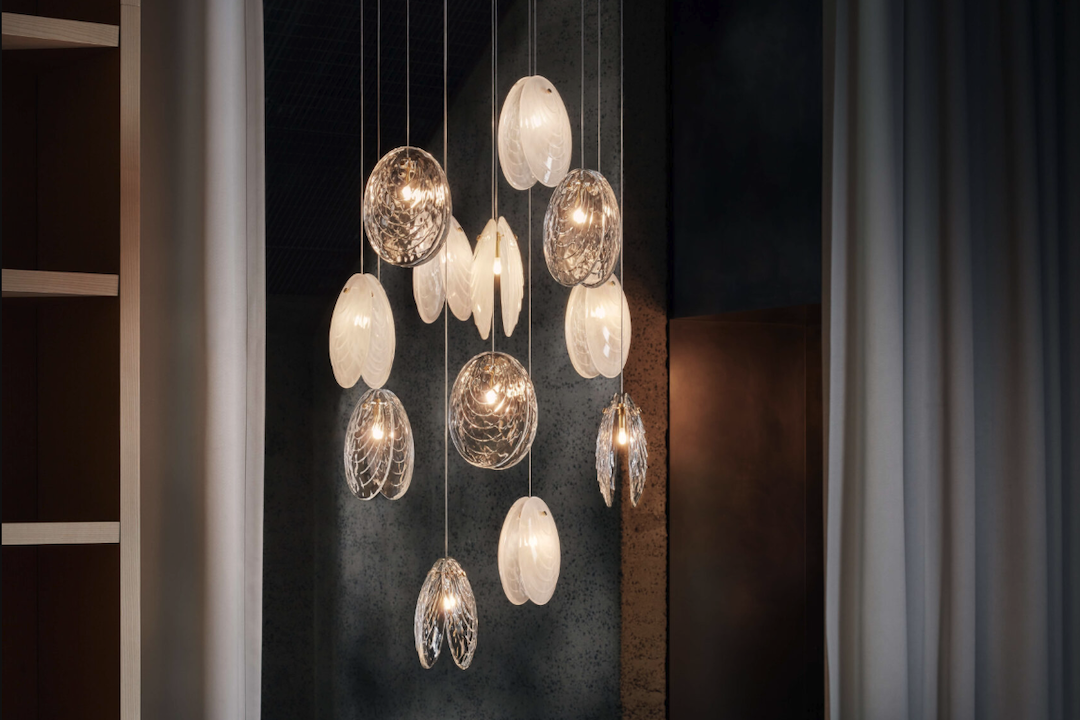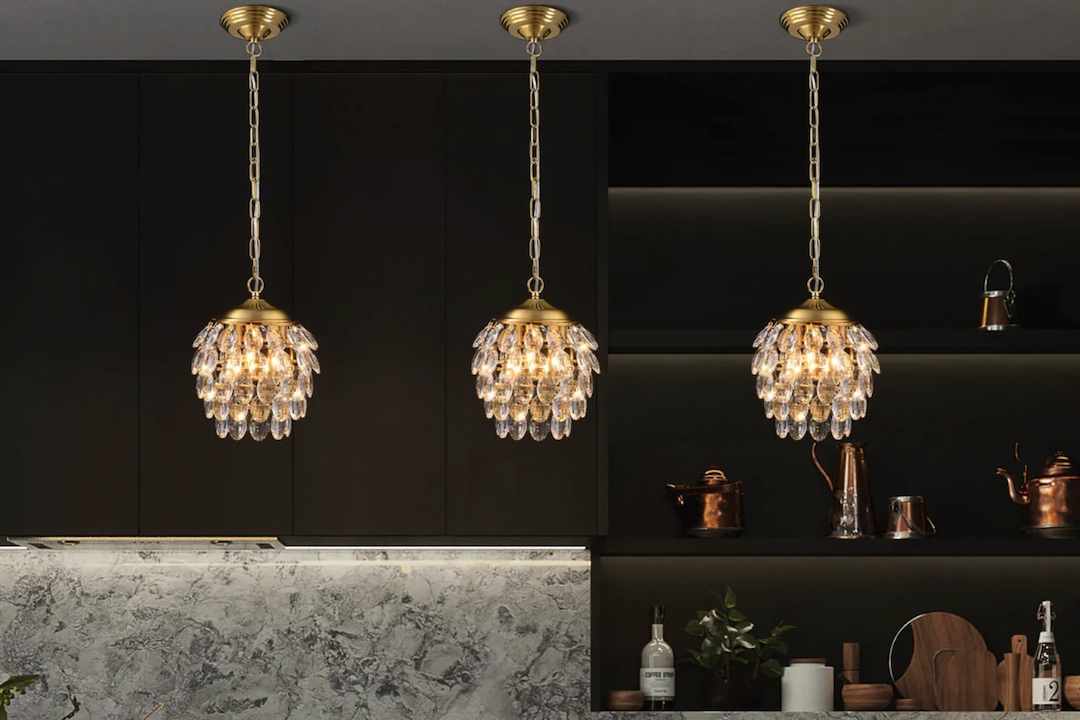
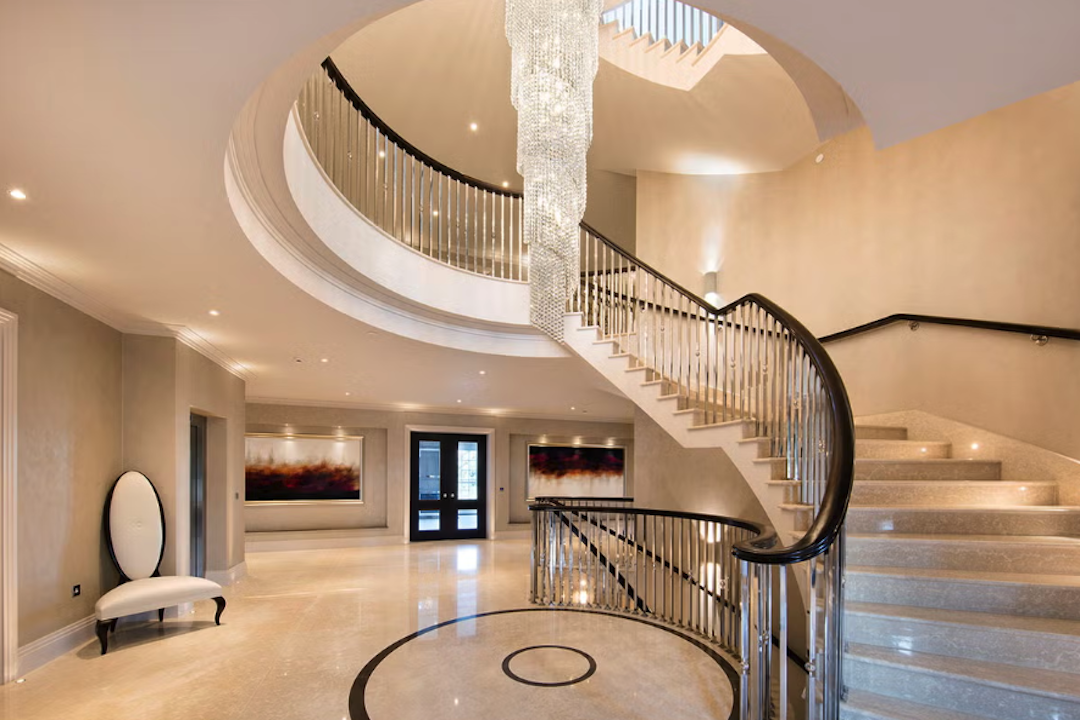
The entryway serves as a home’s overture, setting the tone for the entire residence. A well-chosen chandelier can transform this functional space into a breathtaking prelude to the rest of the interior design. This article examines artistic entryway chandeliers, their impact on decor, and factors to consider when selecting one.
As a focal point, the entryway chandelier Slylamps is more than just a light fixture; it is a statement piece that influences the perception of the home’s aesthetic and inhabitants’ taste. It’s the first impression, the visual handshake before even stepping into the living space.
First Impressions and Atmosphere
The entryway is the initial point of contact for guests. A chandelier here can immediately communicate warmth, elegance, or a contemporary sensibility. It can dispel shadows, creating an inviting atmosphere that beckons visitors further into the home.
Setting the Mood
The quality and style of light emitted by a chandelier play a significant role in setting the mood. A soft, diffused glow can create a sense of serenity, while a more dramatic, brighter light can convey a sense of occasion and grandeur.
Architectural Harmony
An entryway chandelier should ideally complement the architectural style of the home. A grand foyer might call for a more elaborate, traditional chandelier, while a minimalist entryway may benefit from a sleek, modern design. This integration ensures a cohesive aesthetic.
Beyond Illumination: A Decorative Element
While providing essential light, artistic entryway chandeliers are primarily chosen for their decorative qualities. They are sculptural elements that contribute to the overall visual narrative of the home.
Visual Weight and Proportion
The size and visual weight of a chandelier are crucial. An oversized chandelier in a small entryway can feel overwhelming, while a too-small fixture in a grand foyer can appear lost. Careful consideration of proportion is key to creating balance.
Materiality and Texture
The materials used in a chandelier’s construction – from glass and metal to crystal and wood – contribute significantly to its texture and visual appeal. These materials can add depth and interest to the entryway space.
Types of Artistic Entryway Chandeliers
The term “artistic” encompasses a wide range of styles and approaches to chandelier design, moving beyond purely functional lighting to embrace artistic expression.
Contemporary and Modern Designs
These chandeliers often feature clean lines, geometric shapes, and innovative materials. They are designed to be striking visual elements that complement modern and minimalist interiors.
Sculptural Forms
Many contemporary chandeliers are conceived as works of art, with abstract or deconstructed forms that challenge traditional notions of lighting. They can be made from a variety of materials, including metal, acrylic, and even recycled elements.
Minimalist Aesthetics
For those who prefer subtlety, minimalist modern chandeliers offer understated elegance. These pieces often focus on clean lines, simple silhouettes, and a limited palette of materials, allowing them to enhance rather than overpower the space.
Integrated LED Technology
Modern designs frequently incorporate integrated LED lighting, allowing for sleek profiles and efficient illumination. This technology often enables unique lighting effects and customizable brightness levels.
Traditional and Classic Styles
Traditional chandeliers draw inspiration from historical periods, often featuring intricate details, classic materials like crystal and brass, and a sense of timeless elegance.
Crystal Chandeliers
Crystal chandeliers are a perennial favorite, known for their ability to refract light and create a dazzling display. Their intricate craftsmanship and sparkling presence lend an air of luxury and sophistication.
Transitional Designs
Transitional chandeliers bridge the gap between traditional and modern, offering a blend of classic lines with contemporary materials or finishes. This versatility makes them suitable for a wide range of interior styles.
Elaborate Metalwork
Chandeliers with intricate metalwork, such as wrought iron or polished brass, can add a touch of old-world charm or a more industrial aesthetic, depending on the specific design.
Unique and Statement Pieces
Beyond established categories, some chandeliers are designed to be truly unique, pushing the boundaries of design and serving as a singular focal point.
Organic and Nature-Inspired Designs
These chandeliers mimic natural forms, such as branches, flowers, or organic shapes, bringing an element of the outdoors into the entryway.
Artisan-Crafted and Bespoke Options
Many artists and craftspeople create one-of-a-kind chandeliers, often using traditional techniques with contemporary flair. These pieces offer unparalleled individuality.
Large-Scale and Dramatic Fixtures
For grand entryways, oversized chandeliers can command attention and create a dramatic sense of arrival. These are often architectural in their scale and impact.
Factors to Consider When Selecting an Entryway Chandelier
Choosing the right chandelier involves a blend of aesthetic judgment, an understanding of spatial dynamics, and practical considerations.
Scale and Proportion
The dimensions of the entryway are paramount. The chandelier should neither drown the space nor appear insignificant within it.
Ceiling Height
Higher ceilings allow for larger, more elaborate chandeliers that can hang lower, creating a more impactful presence. Lower ceilings necessitate more streamlined designs that do not impede movement or visual flow.
Room Dimensions
The overall footprint of the entryway influences the appropriate diameter of the chandelier. A general guideline suggests the sum of the length and width of the room in feet should approximate the diameter of the chandelier in inches.
Style Consistency
The chosen chandelier should align with the existing or desired aesthetic of the home. A jarring stylistic mismatch can disrupt the overall harmony of the interior.
Complementary to Architecture
As mentioned, architectural style is a key determinant. A Georgian home will likely not suit a raw industrial chandelier, just as a modern loft might not be best served by an overly ornate baroque fixture.
Integration with Furniture and Finishes
The chandelier’s materials and colors should harmonize with the surrounding furniture, flooring, wall treatments, and hardware finishes. It should feel like a deliberate addition, not an afterthought.
Lighting Needs and Functionality
While aesthetic appeal is a primary driver, the chandelier must also fulfill its functional purpose of illuminating the entryway.
Brightness and Light Quality
Consider the desired mood and the practicalities of the space. Do you need bright task lighting, or is a softer, ambient glow sufficient? The color temperature of the bulbs also impacts the atmosphere.
Dimmable Options
For greater versatility, opting for a dimmable chandelier allows for adjustment of light levels to suit different times of day or occasions. This adds a layer of control to the entryway’s ambiance.
Installation and Maintenance
Practical considerations such as ease of installation and ongoing maintenance are important, especially for larger or more complex fixtures.
Electrical Requirements
Ensure your existing electrical setup can support the chandelier’s wattage and any specific wiring needs. Professional installation is often recommended for safety and proper functioning.
Cleaning and Material Care
Different materials require different cleaning methods. Crystal chandeliers, for instance, may require careful dusting, while metal finishes might have specific polishing instructions. Assess the commitment to maintenance before purchasing.
The Impact of Entryway Chandeliers on Home Value
While not a direct determinant of structural value, the aesthetic appeal contributed by a well-chosen chandelier can indirectly influence a property’s perceived worth and desirability.
Enhancing Curb Appeal through Interior Presentation
A stunning entryway, illuminated by a captivating chandelier, can create a memorable positive impression that extends a home’s appeal beyond its exterior. This perceived quality can translate to a buyer’s overall estimation of the property.
Creating a Sense of Luxury and Sophistication
High-quality lighting fixtures, particularly artistic chandeliers in entryways, can impart a sense of luxury and attention to detail that clients often associate with well-maintained and thoughtfully designed homes.
A Differentiator in the Real Estate Market
In a competitive market, unique and stylish features like a statement entryway chandelier can help a home stand out. It can be a talking point and a visual differentiator that aids in attracting potential buyers.
Perceived Investment in the Property
A buyer may infer that a home featuring such decorative elements has been cared for and that the owners have invested in its presentation and ambiance. This perception can lead to a more positive overall valuation in the buyer’s mind.
Future Trends in Artistic Entryway Chandeliers
The design and application of entryway chandeliers are not static; they evolve with broader design movements and technological advancements.
Sustainable and Eco-Conscious Designs
There is a growing emphasis on using recycled materials, energy-efficient lighting, and artisanal craftsmanship that minimizes environmental impact. This reflects a broader societal shift towards sustainability.
Use of Recycled and Reclaimed Materials
Incorporating materials like reclaimed wood, recycled glass, or repurposed metal speaks to an environmentally conscious design approach. These materials can also lend unique character to a fixture.
Energy-Efficient Lighting Solutions
LED technology continues to advance, offering more sustainable and energy-efficient lighting options that can be integrated into artistic designs without compromising aesthetics.
Technology Integration and Smart Lighting
The integration of smart home technology is becoming more prevalent, allowing for greater control and customization of lighting environments.
Voice Control and App Integration
Future chandeliers may offer seamless integration with smart home systems, allowing users to control brightness, color temperature, and even on/off schedules via voice commands or mobile applications.
Dynamic Lighting Effects
Advanced LED systems may enable dynamic lighting effects, simulating natural light patterns or creating mood-specific ambiances, further enhancing the artistic expression of the chandelier.
Continued Exploration of Materiality and Form
Designers will continue to experiment with novel materials and push the boundaries of sculptural forms to create increasingly unique and captivating entryway chandeliers.
Innovative Material Combinations
Expect to see unusual pairings of materials, such as glass with concrete, wood with metal, or even textile elements incorporated into chandelier designs, creating unexpected textures and visual appeals.
Biophilic Design Influences
As biophilic design gains traction, expect to see more chandeliers that draw inspiration from nature, incorporating organic shapes, living elements, and natural light diffusion principles.