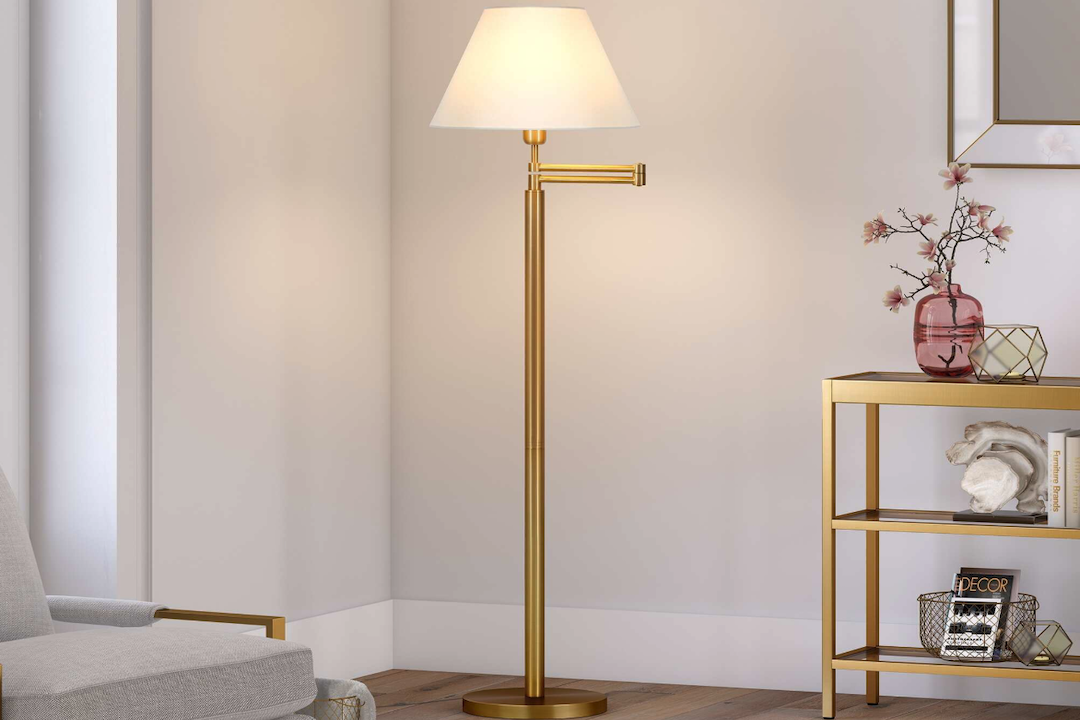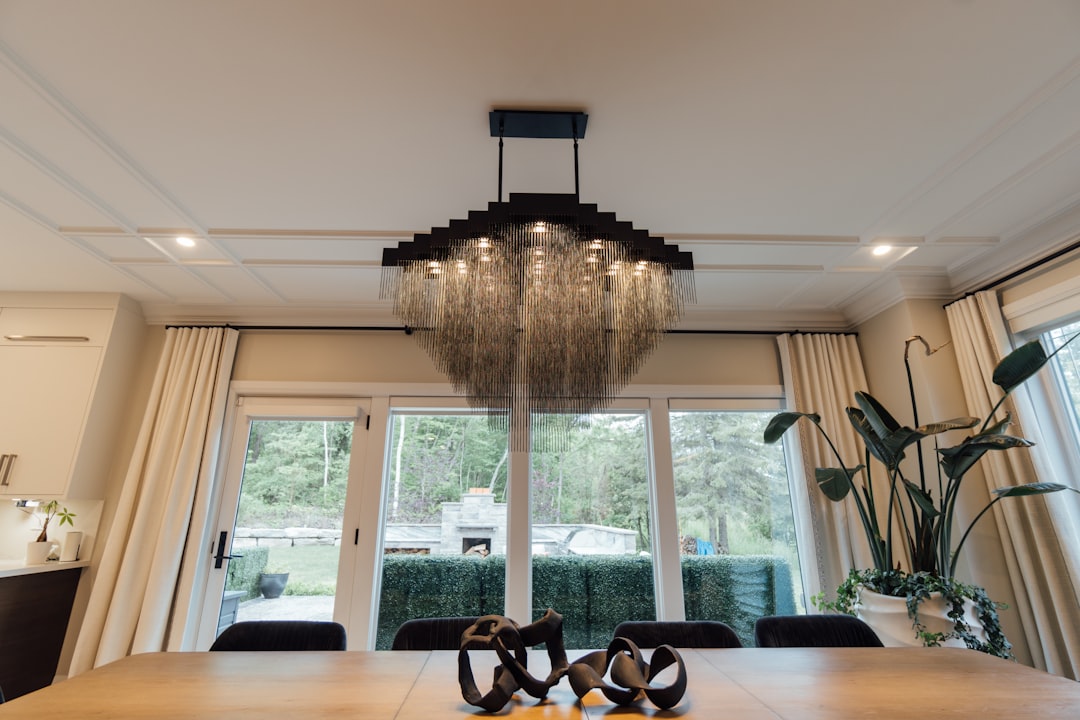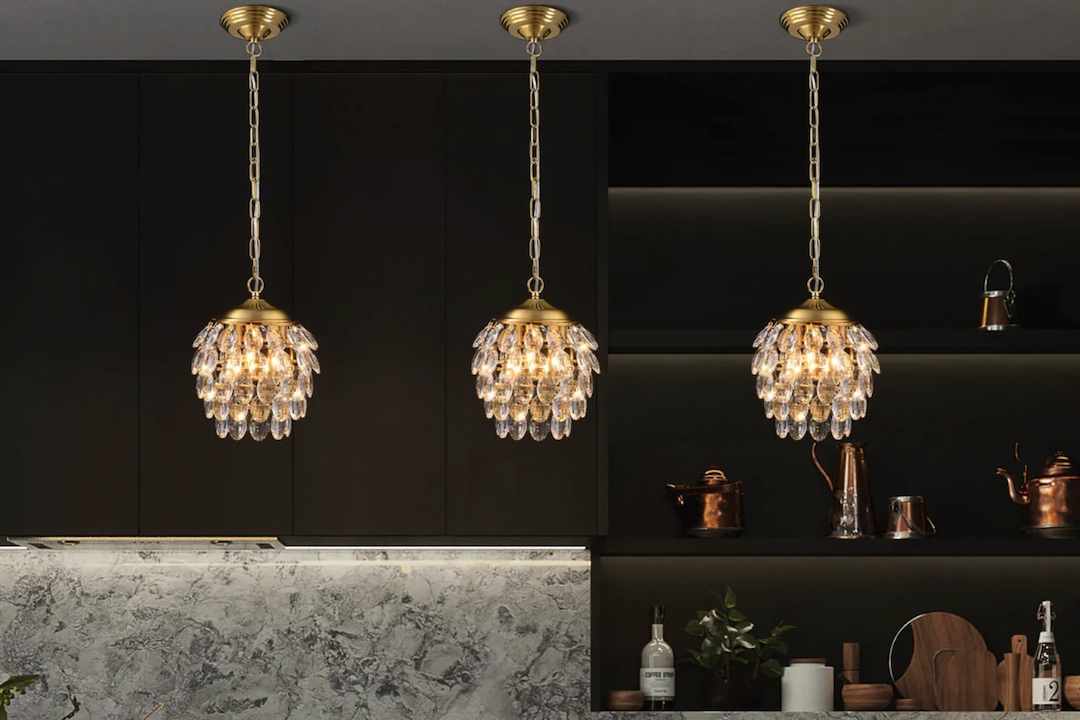

Geometric ceiling lights are lighting fixtures defined by angular shapes, mathematical patterns, and structured forms including triangles, hexagons, cubes, spheres, and complex polyhedra. These fixtures combine illumination with architectural design elements, serving both functional and decorative purposes in residential and commercial spaces. The construction materials for geometric ceiling lights include metals such as brass, steel, and aluminum; glass in clear, frosted, or colored varieties; natural and engineered woods; and synthetic materials like acrylic and polycarbonate.
Metal fixtures typically provide durability and modern aesthetics, while glass components allow for light diffusion and visual transparency. Wood elements introduce organic textures and warmth, and synthetic materials offer lightweight alternatives with design flexibility. The geometric structure of these fixtures creates specific lighting effects through the interaction of solid surfaces and open spaces.
Angular surfaces can direct light in controlled patterns, while perforated or latticed designs produce shadow patterns on surrounding surfaces. This interplay between light transmission and obstruction generates both ambient and accent lighting, contributing to the spatial atmosphere and visual interest of interior environments.
The Versatility of Geometric Designs
One of the most compelling aspects of geometric ceiling lights is their versatility. They can seamlessly integrate into various design styles, from minimalist and modern to eclectic and bohemian. In minimalist spaces, geometric lights often serve as statement pieces that enhance the simplicity of the environment without overwhelming it.
Their clean lines and structured forms can complement the uncluttered aesthetic that defines minimalism, allowing for a harmonious balance between functionality and style. In contrast, in more eclectic or bohemian settings, geometric ceiling lights can act as bold accents that introduce an element of surprise. For example, a large, colorful geometric pendant light can serve as a conversation starter, drawing attention to its unique shape and vibrant hues.
This adaptability makes geometric ceiling lights suitable for various rooms in the home, including living rooms, dining areas, bedrooms, and even hallways. Their ability to fit into different contexts allows homeowners to experiment with lighting design while maintaining a cohesive look throughout their spaces.
Creating a Modern Aesthetic with Geometric Ceiling Lights
To achieve a modern aesthetic using geometric ceiling lights, it is essential to consider both the design of the fixture and its placement within the room. Modern design often emphasizes simplicity and functionality, so selecting fixtures that embody these principles is crucial. For instance, a pendant light with a geometric shape made from matte black metal can create a striking contrast against lighter walls and furnishings, enhancing the modern vibe of the space.
Moreover, layering different geometric lighting fixtures can add depth and interest to a room. For example, combining a large geometric chandelier with smaller wall-mounted sconces can create a dynamic interplay of light and shadow while maintaining a cohesive theme. The use of dimmable LED bulbs can further enhance this modern aesthetic by allowing homeowners to adjust the brightness according to their needs, whether for entertaining guests or creating a cozy atmosphere for relaxation.
Incorporating Vibrant Colors into Your Lighting Design
While many geometric ceiling lights are available in neutral tones like black, white, or metallic finishes, incorporating vibrant colors can significantly elevate the visual impact of your lighting design. Brightly colored geometric fixtures can serve as focal points that energize a space and reflect the personality of the homeowner. For instance, a bold red or yellow geometric pendant light can infuse a dining area with warmth and vibrancy, making it an inviting space for family gatherings or dinner parties.
When integrating colorful geometric lights into your design scheme, it is essential to consider the surrounding decor. A well-chosen color can either complement or contrast with existing elements in the room. For example, if your walls are painted in soft pastels, a bright geometric light fixture can create an eye-catching contrast that adds excitement without overwhelming the space.
Alternatively, if your decor features bold patterns or colors, selecting a fixture in a more subdued hue can help maintain balance while still making a statement.
Choosing the Right Size and Shape for Your Space
Selecting the appropriate size and shape of geometric ceiling lights is crucial for achieving both functionality and aesthetic appeal. A common guideline is to consider the dimensions of the room when choosing fixtures; larger spaces may benefit from oversized geometric chandeliers or pendant lights that can fill the vertical space effectively. Conversely, smaller rooms may require more compact fixtures to avoid feeling cramped or cluttered.
The shape of the geometric light fixture should also align with the overall design theme of the room. For instance, if you have a predominantly angular decor style with sharp lines and corners, opting for fixtures with similar shapes—such as cubes or pyramids—can create visual harmony. On the other hand, if your space features softer curves and organic shapes, selecting round or oval geometric lights can provide a pleasing contrast while still adhering to the geometric theme.
Energy-Efficient Options for Geometric Ceiling Lights
As sustainability becomes an increasingly important consideration in home design, energy-efficient lighting options are gaining popularity among homeowners. Many modern geometric ceiling lights are now designed to accommodate LED bulbs, which consume significantly less energy than traditional incandescent bulbs while providing comparable brightness levels. This shift not only reduces energy costs but also contributes to a lower carbon footprint.
In addition to LED compatibility, some manufacturers are incorporating energy-efficient technologies directly into their designs. For example, certain geometric fixtures come equipped with integrated LED panels that offer long-lasting illumination without the need for bulb replacements. These fixtures often feature adjustable brightness settings and color temperature options, allowing homeowners to customize their lighting experience while minimizing energy consumption.
Maintenance and Care for Geometric Ceiling Lights
Maintaining geometric ceiling lights is essential for preserving their appearance and functionality over time. Regular cleaning is necessary to prevent dust accumulation that can dull the finish and reduce light output. Depending on the materials used in the fixture, cleaning methods may vary; for instance, glass or acrylic components can typically be wiped down with a soft cloth and mild detergent, while metal surfaces may require specific cleaners to avoid tarnishing.
In addition to routine cleaning, it is important to periodically check for any loose connections or signs of wear in electrical components. Ensuring that all fixtures are securely mounted and that wiring is intact will help prevent potential hazards such as flickering lights or electrical shorts. If any issues arise that cannot be easily resolved through maintenance, consulting with a professional electrician is advisable to ensure safety and proper functioning.
Tips for Installing Geometric Ceiling Lights in Your Home
Installing geometric ceiling lights can be a rewarding DIY project for homeowners looking to enhance their spaces with stylish lighting solutions. Before beginning installation, it is crucial to gather all necessary tools and materials, including mounting hardware and appropriate light bulbs. Familiarizing oneself with the manufacturer’s instructions will also ensure that the installation process goes smoothly.
When determining the optimal placement for your geometric ceiling lights, consider factors such as room size, ceiling height, and existing furniture arrangements. For instance, in dining areas, hanging pendant lights should be positioned at an appropriate height above tables to provide adequate illumination without obstructing views across the table. Additionally, using multiple fixtures in larger spaces can help distribute light evenly while creating visual interest through varied shapes and sizes.
By carefully considering these aspects during installation, homeowners can successfully incorporate geometric ceiling lights into their homes, enhancing both functionality and aesthetic appeal while enjoying the benefits of modern lighting design.