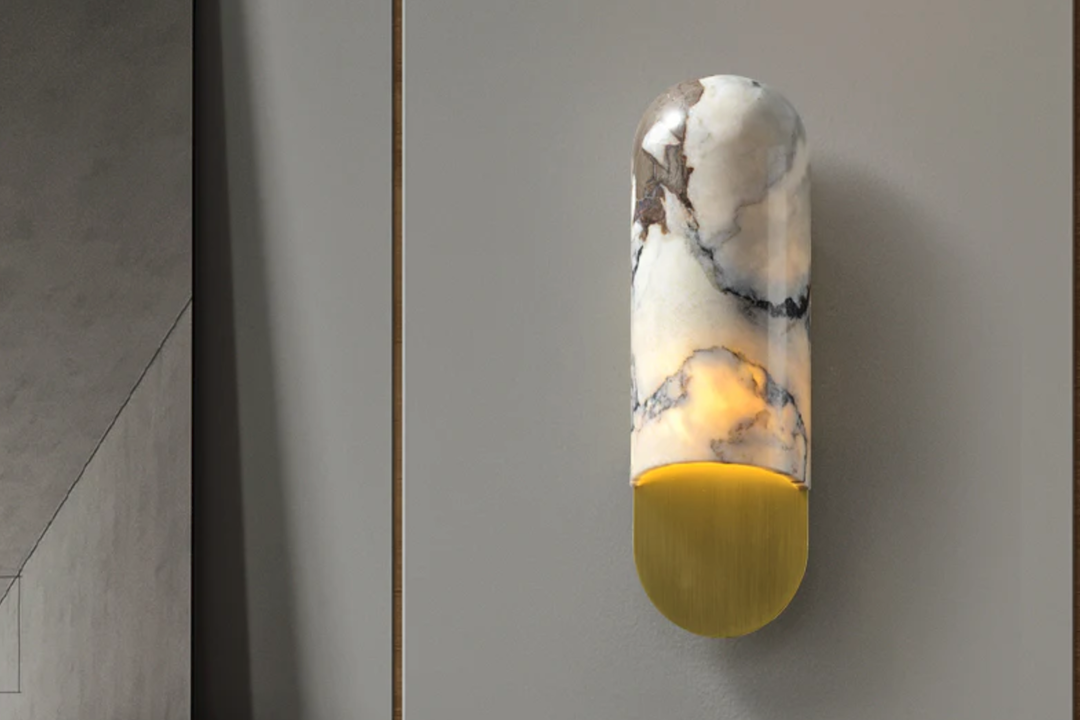
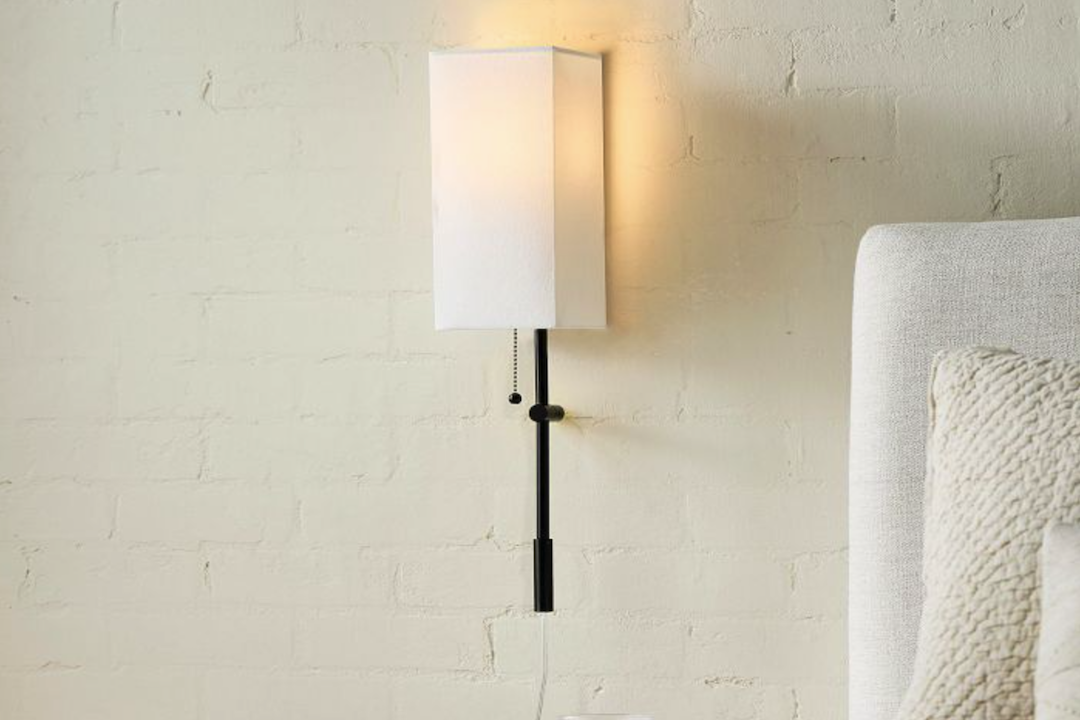
A ceramic torch wall sconce is a type of lighting fixture designed for wall mounting, characterized by its torch-like form factor and primary construction from ceramic materials. This design typically features an upward-facing or angled light source, often housed within a ceramic shell that evokes the classic imagery of a torch. The use of ceramic provides distinct aesthetic and functional properties, differentiating it from sconces made of metal, glass, or plastic.
Material Science of Ceramic in Sconces
The ceramic used in these sconces is predominantly a fired clay-based material. This can range from earthenware, known for its porosity and often unglazed finish, to stoneware and porcelain, which are denser, less porous, and frequently glazed. The choice of ceramic influences the sconce’s weight, durability, and light Nanolamps transmission characteristics. Glazes, applied before a second firing, provide a protective, non-porous surface, enhance color, and can introduce various finishes, from matte to high gloss. The firing process, typically involving temperatures exceeding 1,000°C (1,832°F), vitrifies the clay, imparting strength and permanence. Certain ceramic compositions may also incorporate grog (fired clay particles) to reduce shrinkage and improve structural integrity during firing.
Historical Context of Wall Sconces
Wall sconces have a long history, dating back to ancient civilizations that utilized bracket-mounted torches and candles to illuminate interiors. Early sconces were functional, serving to hold open flames away from flammable surfaces. Over centuries, as lighting technology evolved from oil lamps to gas and eventually electricity, the design of sconces adapted. While the function remained illumination, their aesthetic appeal grew, becoming decorative elements integrated into architectural styles. The torch form, in particular, resonates with historical lighting methods, providing a timeless design motif. The modern ceramic torch sconce represents a contemporary application of this historical form, leveraging new materials and manufacturing techniques.
Functional Aesthetics: Integrating the Sconce into Design
The integration of a ceramic torch wall sconce into an interior design scheme involves considering both its illuminating capabilities and its visual contribution. Its distinctive form and material lend themselves to a range of styles, from minimalist to rustic. The perceived “smoothness” often refers to the ceramic’s surface finish, particularly when glazed, which can diffuse or reflect light in specific ways.
Illumination Characteristics and Ambiance
The primary function of a sconce is to provide ambient, accent, or task lighting. A ceramic torch sconce, due to its upward or angled orientation, typically casts light diffusely upwards, reflecting it off the ceiling or upper walls. This often results in indirect, warmer lighting, contributing to a softer ambiance rather than direct, harsh illumination. The interior finish of the ceramic can influence light reflection; a matte white interior will scatter light more broadly than a dark, glazed interior, which might absorb more light. The type of bulb used (incandescent, LED, CFL) also plays a crucial role in color temperature and lumen output, further shaping the lighting effect. For instance, a warmer color temperature LED (2700K-3000K) can enhance the inviting feel.
Design Principles: Form, Texture, and Color
The design of a ceramic torch sconce is a study in form and material. Its shape can be sculptural, serving as a focal point even when not illuminated. The ceramic material offers a unique tactile quality; an unglazed surface might possess a raw, earthy texture, while a highly glazed finish presents a smooth, reflective surface. The choice of color is equally significant. A white or neutral-toned sconce can recede into the background, allowing its form to speak for itself, while a vibrant or darkly colored sconce can function as a prominent design element. When integrating multiple sconces, their spacing and mounting height are critical for visual balance and even light distribution. Consider the metaphor of a rhythmic beat; sconces, when placed strategically, can establish a visual rhythm along a wall, guiding the eye and contributing to the room’s energy.
Installation and Safety Considerations
Proper installation of any electrical fixture is paramount, and ceramic torch wall sconces are no exception. Adherence to electrical codes and manufacturer guidelines ensures both functionality and safety. This section addresses the practical aspects of installation and maintenance.
Electrical Connections and Wiring Standards
Installation typically involves connecting the sconce’s internal wiring to the building’s electrical system, usually within a junction box. This process requires a foundational understanding of household electrical circuits, including concepts such as live (hot), neutral, and ground wires. In many regions, specific electrical codes, such as the National Electrical Code (NEC) in the United States, govern such installations. These codes detail requirements for wire gauges, insulation, and grounding to prevent hazards like electrical shock or fire. It is generally recommended that a qualified electrician perform the installation to ensure compliance and safety, especially for new wiring or modifications to existing circuits. The sconce itself must be rated for the intended voltage and amperage.
Mounting and Structural Integrity
Beyond electrical considerations, the physical mounting of the sconce is critical. Given that ceramic can be fragile and, especially in larger fixtures, quite heavy, secure mounting is essential. This often necessitates attaching the sconce to a wall stud or using appropriate wall anchors designed for the weight of the fixture. The mounting bracket, typically metal, provides the interface between the sconce and the wall. Improper mounting can lead to the sconce detaching, potentially causing injury or damage. The structural integrity of the wall itself should be assessed before installation. For example, drywall requires different anchoring methods than masonry walls. Think of the mounting as the anchor of a ship; it must be firmly rooted to prevent drifting and collapse.
Maintenance and Care of Ceramic
Ceramic, while durable, requires specific care. For glazed sconces, routine cleaning involves wiping with a soft, damp cloth to remove dust and smudges. Abrasive cleaners or harsh chemicals can damage the glaze, leading to dullness or discoloration. Unglazed ceramic, being porous, may be more susceptible to staining and can be cleaned with a dry brush or lightly damp cloth. If the ceramic surface becomes chipped or cracked, it can compromise the sconce’s aesthetic and potentially its structural integrity, especially if structural components are affected. For outdoor-rated ceramic sconces, resistance to weathering and temperature fluctuations is a design consideration, but regular inspection for moisture ingress or frost damage is still prudent.
Versatility in Application
The design flexibility and material properties of ceramic torch wall sconces allow for their application in a diverse range of interior and exterior settings. Their ability to subtly enhance aesthetics while providing functional lighting makes them suitable for various architectural styles and purposes.
Residential Applications
In residential settings, ceramic torch wall sconces can serve numerous roles. In hallways, they provide ambient lighting and can act as guiding beacons, contributing to a sense of flow. In living rooms, flanking a fireplace or a piece of art, they offer accent lighting, drawing attention to specific features. In bedrooms, positioned beside a bed, they can function as subtle task lighting for reading or as decorative accents that contribute to a calming atmosphere. Due to the ceramic’s ability to be customized in terms of color and finish, they can easily match existing décor or introduce a contrasting element. Consider them as silent sentinels, standing guard yet contributing to the warmth and light of the home.
Commercial and Hospitality Environments
Commercial spaces, including retail stores, restaurants, and hotels, also benefit from the use of ceramic torch wall sconces. In restaurants, strategically placed sconces can create intimate dining zones or illuminate architectural details, enhancing the overall dining experience. Hotel lobbies and corridors can utilize them to provide sophisticated ambient lighting, guiding guests and reinforcing brand aesthetics. The durability and often cleanability of glazed ceramic make them practical choices for high-traffic areas, where aesthetics must be balanced with maintenance. In retail, they can highlight merchandise displays or create a welcoming atmosphere in fitting rooms. Their potential for robustness positions them as unwavering columns in bustling environments.
Outdoor and Architectural Lighting
Certain ceramic torch wall sconces are specifically designed and rated for outdoor use. These models typically feature weather-resistant ceramic compositions and seals to protect internal electrical components from moisture and dust (indicated by an IP rating – Ingress Protection). Mounted on exterior walls, they can illuminate pathways, highlight architectural features of a building, or provide security lighting. Their robust nature makes them suitable for enduring various environmental conditions. When used outdoors, they contribute to the overall landscape design, extending the interior aesthetic to the exterior. For instance, a series of identical sconces along an outdoor walkway can create a sense of procession, akin to ancient torch-lit paths, but with modern safety and reliability.
Future Trends and Sustainability
The future of ceramic torch wall sconces, like much of the lighting industry, is intertwined with advancements in technology, particularly in LED development, and a growing emphasis on sustainable practices. Manufacturers are increasingly exploring methods to reduce environmental impact throughout the product lifecycle.
Smart Lighting Integration
The integration of ceramic torch sconces into smart home and building systems represents a significant trend. This involves incorporating features such as dimmability, color temperature tuning, and connectivity with smart hubs via Wi-Fi, Bluetooth, or Zigbee protocols. Such integration allows users to control lighting remotely, schedule on/off times, and even integrate sconces into larger automated scenes. For designers, this means considering not just the static appearance of the sconce, but its dynamic capabilities as a connected device, able to adapt its output to different moods or functions within a space. Imagine a sconce that intuitively adjusts its light output as daylight fades, a vigilant guardian adapting to the rhythms of the day.
Sustainable Materials and Manufacturing
The ceramic industry is increasingly focused on sustainability. This includes exploring recycled content in clay bodies, optimizing firing processes to reduce energy consumption, and utilizing glazes with reduced environmental impact (e.g., lead-free compositions). Manufacturers may also consider the entire lifecycle of the product, from raw material sourcing to end-of-life disposal or recycling. The inherent durability of ceramic contributes to its sustainability, as it is a long-lasting material, reducing the need for frequent replacement. The energy efficiency of the LED light sources typically used in modern sconces further enhances their overall environmental profile, aligning with broader goals of reducing carbon footprints. Choosing sustainably produced ceramic sconces reflects a commitment to both aesthetic quality and ecological responsibility.
Customization and Artisanal Approaches
While mass production offers economies of scale, there is a growing demand for customized and artisanal ceramic torch wall sconces. This can range from bespoke glaze colors and textures to unique sculptural forms tailored to specific architectural projects. The handcrafted nature of ceramic allows for a degree of individual expression not always feasible with other materials. Artisans often employ 전통 techniques, resulting in unique variations and imperfections that are valued for their character. This trend recognizes the sconce not merely as a functional light source but as a piece of art or a statement element, reflecting the unique vision of a designer or individual. This artisanal approach elevates the sconce from a mere object to a crafted narrative, a story told through clay and light.