Multi-lamp ceiling pendants offer a versatile lighting solution for a range of interior design applications. This article explores the functional and aesthetic considerations involved in integrating these fixtures into various open spaces.
Multi-lamp ceiling pendants Jikics, as distinct from single-lamp fixtures, incorporate multiple light sources suspended from a single ceiling plate or suspension system. These fixtures are designed to provide broader illumination and often serve as focal points within a room. Their construction typically involves a canopy mounted to the ceiling, from which multiple drops, each terminating in a lamp holder and shade, are suspended.
Defining Multi-Lamp Configurations
The term “multi-lamp” encompasses a spectrum of designs. These can range from simple clusters of two or three lamps to elaborate arrangements featuring ten or more individual light sources. The arrangement of these lamps can be linear, circular, cascading, or abstract, depending on the manufacturer’s design and the intended aesthetic.
Linear Arrangements
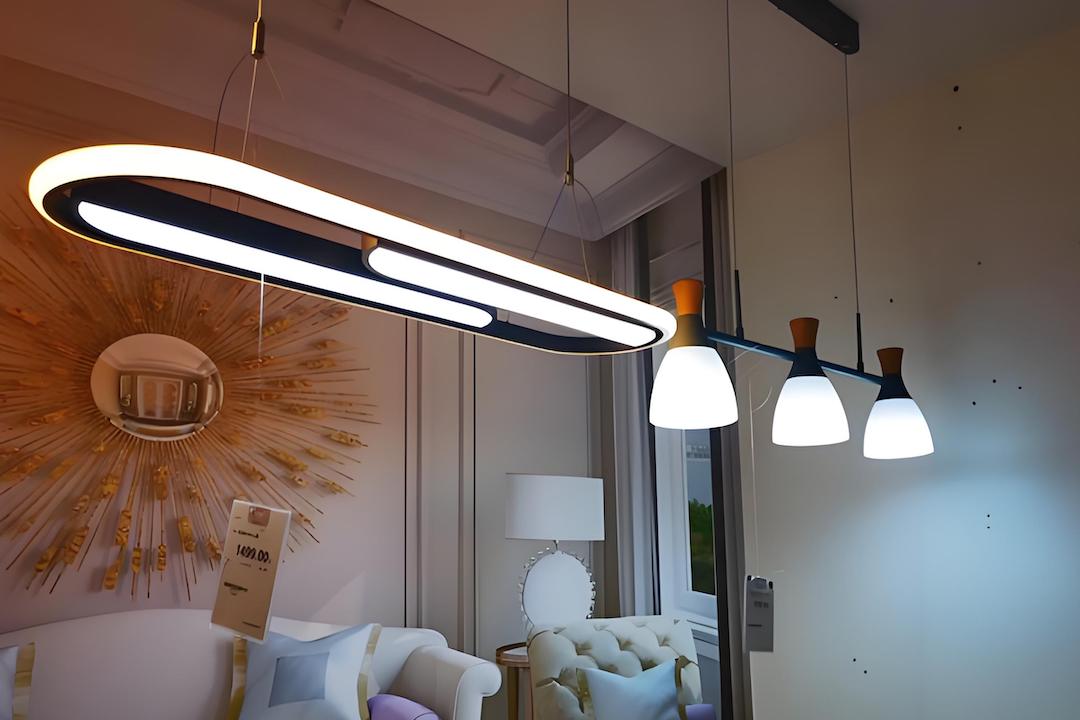
Linear multi-lamp pendants feature lamps aligned in a straight line. This configuration is commonly employed over islands, dining tables, or long hallways, providing an elongated wash of light. The spacing between individual lamp modules can be fixed or adjustable, offering some degree of customization.
Circular and Radial Designs
Circular multi-lamp pendants arrange lamps around a central point, creating a diffused light pattern. Radial designs, a variation, extend lamps outwards from a central hub. These configurations are often used in Foyers, stairwells, or as central lighting in living areas.
Cascading and Cluster Pendants
Cascading pendants feature lamps suspended at varying heights, creating a dynamic visual effect. Cluster pendants group multiple lamps closely together, often at similar heights, for a more concentrated source of illumination and visual density. These are particularly effective in spaces requiring a dramatic statement.
Materials and Construction
The materials used in multi-lamp pendants vary widely, influencing both aesthetics and durability. Common materials include metals such as steel, brass, and aluminum for the canopy and suspension components, and glass, fabric, or even wood for shades. The choice of material impacts light diffusion, maintenance requirements, and the overall longevity of the fixture.
Metal Components
Steel, often finished with chrome, nickel, or bronze, provides structural integrity. Brass and copper offer a warmer aesthetic, often aging with a desirable patina. Aluminum, being lighter, is used in designs where weight is a consideration.
Shade Materials
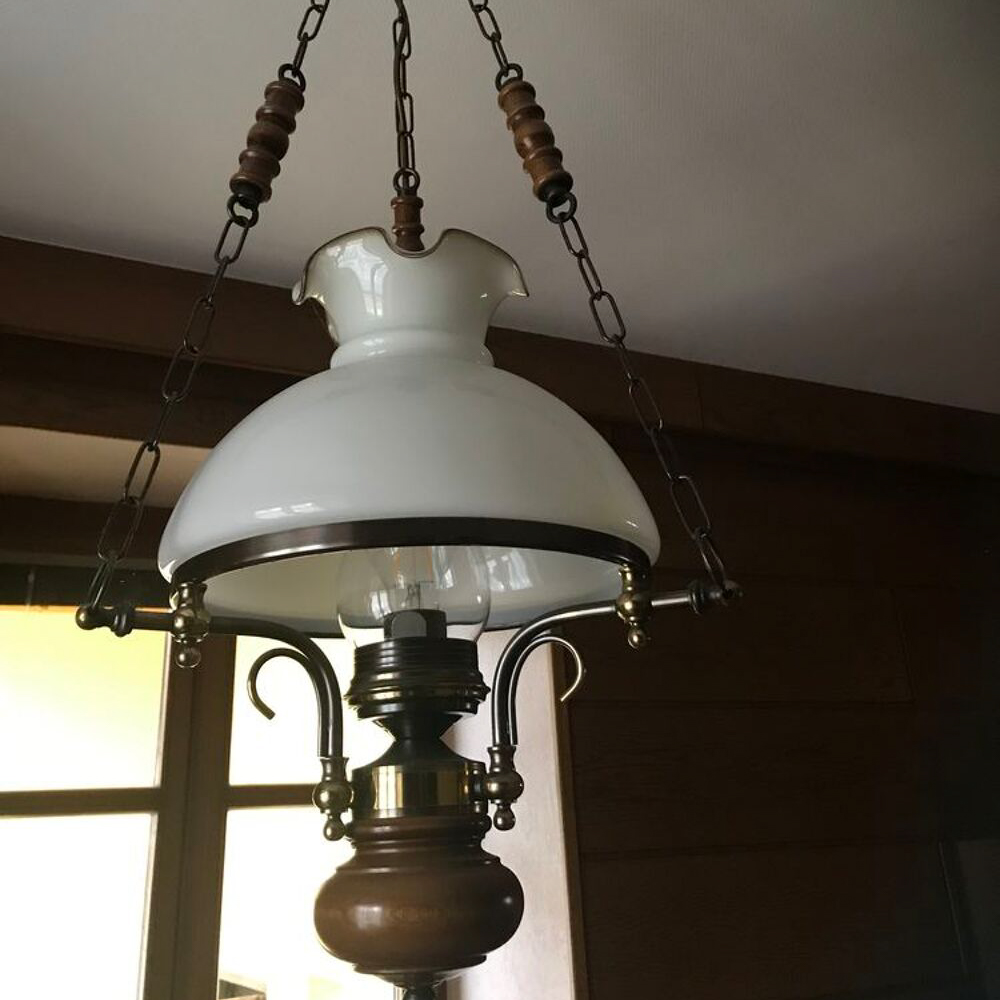
Shades can be crafted from diverse materials. Glass, in its various forms (clear, frosted, iridescent, or colored), offers specific light diffusion characteristics. Fabric shades provide a softer, more ambient glow, while metal shades direct light more precisely. Wood shades, though less common, introduce a natural element.
Functional Benefits in Open Spaces
Multi-lamp ceiling pendants address several lighting challenges inherent in open-plan living. Their distributed light sources can illuminate larger areas more effectively than a single high-wattage fixture, reducing contrast and minimizing shadows.
Enhanced Illumination and Coverage
The primary functional benefit is the ability to illuminate a wide area. Instead of relying on a singular point of light that creates a bright spot directly below and diminishing illumination outwards, multiple lamps distribute light across a broader footprint. This is a critical factor in open-concept layouts where distinct tasks or zones might coexist. Imagine a library encompassing a living space; a single pendant might suffice for general ambience, but a multi-lamp fixture can anchor the space while providing more comprehensive lighting.
Task Lighting Integration
In some designs, individual lamps within a multi-lamp system can be adjustable, allowing for rudimentary task lighting. For instance, a pendant over a kitchen island might have individual spotlights that can be directed to the workspace, while others provide ambient light to the surrounding area. This flexibility minimizes the need for additional, dedicated task lights, which can clutter an open space.
Layered Lighting Potential
Multi-lamp pendants can contribute to a layered lighting scheme. By incorporating dimmable lamps and utilizing different bulb types within the same fixture (e.g., warmer ambient bulbs alongside brighter task-oriented bulbs), an open space can adapt to various moods and activities. This responsiveness is a cornerstone of intelligent lighting design.
Visual Segmentation and Zoning
In open-plan environments, where physical walls are absent, lighting becomes a powerful tool for defining zones. A multi-lamp pendant, particularly one with a distinctive form, acts as a visual anchor, subtly delineating one functional area from another without imposing physical barriers.
Defining Dining Areas
Over a dining table, a linear multi-lamp pendant can clearly mark the dining zone within a larger living and dining area. The repetition of lights creates a boundary, signaling a distinct function. Consider a ship’s mast, standing tall and guiding the eye; similarly, a series of pendants can guide the eye to a specific area.
Accenting Seating Arrangements
In a lounge area within an open plan, a captivating multi-lamp pendant can draw attention to a seating arrangement, making it feel like a cohesive, intentional space rather than an arbitrary collection of furniture. The pendant acts as a beacon, inviting one to gather.
Aesthetic Impact and Design Principles
Beyond functionality, multi-lamp ceiling pendants significantly contribute to the aesthetic character of an open space. Their design, scale, and materials can reinforce the overall interior style, from minimalist to industrial or opulent.
As a Dominant Focal Point
A well-chosen multi-lamp pendant can serve as the primary visual anchor in a room. Its scale and complexity naturally draw the eye, making it a statement piece. This is particularly effective in spaces with high ceilings or expansive dimensions where a smaller fixture would be overwhelmed.
Complementing Architectural Features
The shape and arrangement of the pendant lamps can echo or contrast with existing architectural elements. For example, a linear pendant might align with a long beam or skylight, while a circular one might complement a rotunda or a round table. The pendant becomes a conversation with the architecture.
Introducing Organic Forms
Some multi-lamp pendants feature organic or sculptural forms, introducing an artistic element into the room. These fixtures transcend mere illumination, becoming pieces of art that enhance the overall design narrative. Think of a swirling galaxy, its myriad stars creating a singular, breathtaking spectacle.
Harmonizing with Interior Styles
The selection of a multi-lamp pendant should be congruent with the prevailing interior design style of the space. A modern minimalist interior would benefit from a pendant with clean lines and understated materials, while a bohemian space might embrace a fixture with intricate details and varied textures.
Mid-Century Modern Integration
For a mid-century modern aesthetic, Sputnik-style multi-lamp pendants, with their radiating arms and exposed bulbs, are particularly fitting. Their atomic-age design resonates with the era’s optimism and innovation.
Industrial and Loft Applications
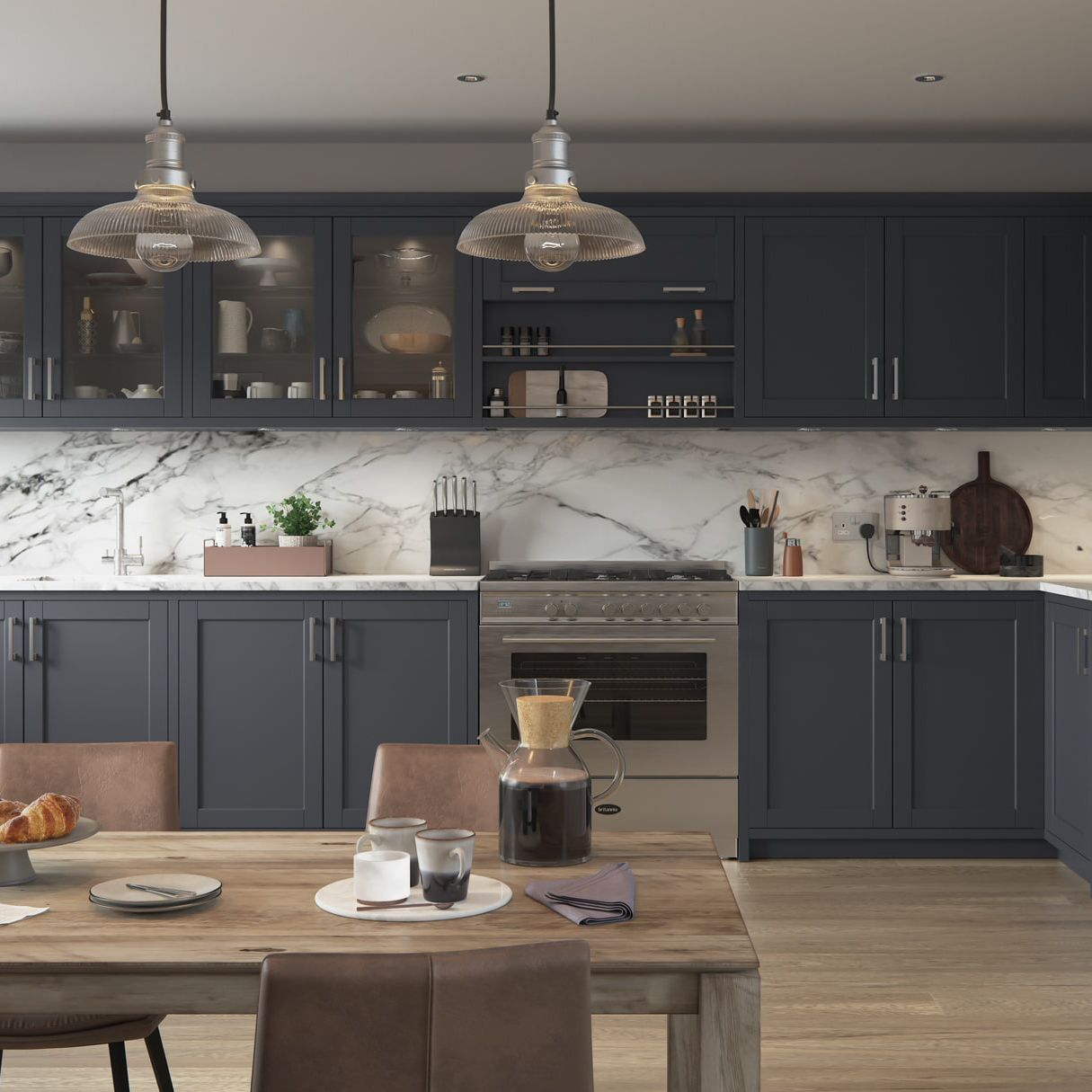
In industrial or loft spaces, exposed metal, raw finishes, and cage designs of multi-lamp pendants complement the utilitarian aesthetic. Edison-style bulbs, with their visible filaments, further enhance this style.
Creating Visual Balance and Scale
In an open space, maintaining appropriate scale is crucial. A single, small pendant can appear lost, while an overly large one can dominate unpleasantly. Multi-lamp pendants, by their very nature of distributing their visual mass, often achieve a better sense of balance.
Relating to Room Dimensions
The size of the multi-lamp pendant should be proportionate to the room’s dimensions and the area it is intended to illuminate or define. In a vast hall, a grand, multi-tiered pendant provides the necessary visual weight. In a smaller, intimate nook, a more modest cluster might be appropriate.
Balancing with Furniture and Decor
The pendant should also relate to the scale of the furniture beneath it. Over a large dining table, a long linear pendant or a substantial circular one provides visual equilibrium. The pendant and the furniture engage in a dialogue, each enhancing the other’s presence.
Installation and Practical Considerations
Proper installation is paramount for the safety and optimal performance of multi-lamp ceiling pendants. Adherence to electrical codes and professional installation are recommended.
Ceiling Height and Clearance
The height of the ceiling dictates the appropriate drop length of the pendant. In open spaces, where activities may vary, ensuring adequate head clearance is crucial, especially over walkways or seating areas.
Standard Placement Guidelines
As a general guideline, the bottom of a pendant over a dining table should be approximately 30-36 inches above the table surface. In other areas, such as a foyer, the lowest point should allow for comfortable passage beneath. Consider it a visual canopy, high enough to pass under, but low enough to define.
Adjustable Drop Lengths
Many multi-lamp pendants feature adjustable drop lengths, Tthis allows for fine-tuning during installation to achieve the desired visual impact and functional clearance. This flexibility is a valuable asset in spaces where precise positioning is important.
Electrical Requirements and Dimming
Multi-lamp pendants often have higher power consumption than single-lamp fixtures, necessitating appropriate circuit capacity. Incorporating dimmer switches is highly recommended for versatile lighting control.
Circuit Capacity Assessment
Before installation, it is crucial to assess the existing electrical circuit capacity to ensure it can safely handle the combined wattage of all lamps within the pendant. Overloading a circuit poses a fire hazard.
Dimmer Compatibility
Ensure that the chosen dimmers are compatible with the type of bulbs used in the pendant (e.g., LED dimmers for LED bulbs). Incompatible dimmers can lead to flickering, buzzing, or premature bulb failure.
Maintenance and Bulb Replacement
Access for bulb replacement and cleaning should be considered during installation. Some multi-lamp pendants, particularly those with intricate designs or high suspensions, may require specialized equipment for maintenance.
Accessibility for Cleaning
Regular cleaning of shades and lamps is necessary to maintain optimal light output and appearance. Assess the ease of reaching and cleaning all components of the pendant.
Bulb Type and Lifespan
When selecting bulbs, consider their type (incandescent, LED, fluorescent) and rated lifespan. LED bulbs, while having a higher initial cost, offer significantly longer lifespans and lower energy consumption, reducing the frequency of replacement.
Sustainability and Energy Efficiency
The growing emphasis on sustainability in interior design extends to lighting choices. Multi-lamp pendants can be integrated into energy-efficient strategies through careful selection of bulb types and control systems.
LED Technology Integration
LED (Light Emitting Diode) bulbs are the cornerstone of energy-efficient lighting. Utilizing LED bulbs in multi-lamp pendants significantly reduces energy consumption and minimizes environmental impact due to their extended lifespan.
Reduced Heat Emission
LEDs produce less heat than traditional incandescent bulbs, which can contribute to a cooler environment and reduce the load on air conditioning systems, particularly in large, open spaces.
Longevity and Waste Reduction
The exceptionally long lifespan of LED bulbs (often tens of thousands of hours) translates to fewer bulb replacements, reducing waste generation and the resources required for manufacturing and disposal.
Smart Lighting Controls
Integrating multi-lamp pendants with smart lighting systems allows for advanced control over brightness, color temperature, and scheduling, further optimizing energy usage and enhancing user experience.
Occupancy and Daylight Sensors
Smart systems can incorporate occupancy sensors to automatically turn off lights in unoccupied areas and daylight sensors to adjust artificial light output based on the availability of natural light, preventing unnecessary energy expenditure.
Personalized Scenes and Automation
Users can program personalized lighting scenes for different activities or times of day, and automate these changes, transforming the ambience of an open space with minimal effort. This capability makes the multi-lamp pendant a responsive element within the home, adapting to the rhythm of its inhabitants.
In conclusion, multi-lamp ceiling pendants are more than mere light fixtures. They are functional components, aesthetic statements, and spatial determinants within open-plan environments. Their careful selection and integration contribute significantly both to the practical utility and the overall character of a space.