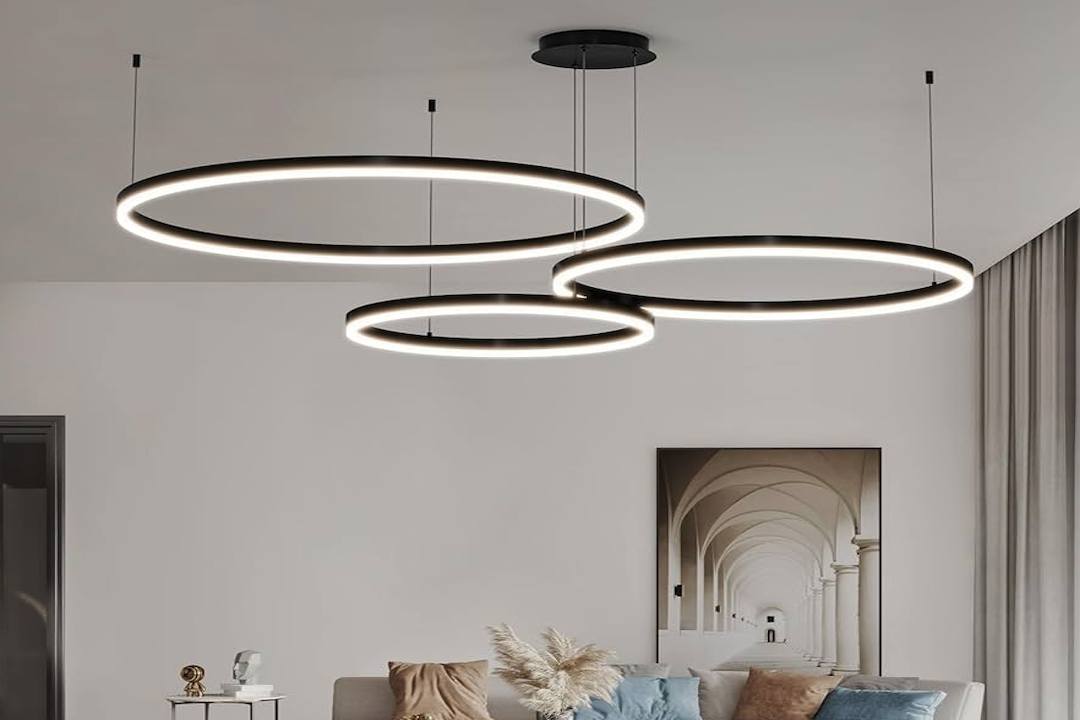
The modern ring chandelier, a contemporary interpretation of a classic lighting fixture, has emerged as a significant architectural and design element in various interior spaces. This article explores the characteristics, applications, and evolution of these ceiling lights, offering a comprehensive overview for those interested in their integration into modern environments.
A modern ring chandelier is characterized by its circular or concentric ring-shaped structure, from which light Omelighting sources are typically suspended or integrated. Unlike traditional chandeliers with multiple arms and intricate crystal arrangements, modern ring designs often embrace minimalism, clean lines, and innovative materials.
Structural Variations
The fundamental structure of a modern ring chandelier can vary significantly. Some designs feature a single, large ring, while others incorporate multiple rings of differing diameters, creating a tiered or nested effect. These rings can be arranged horizontally, vertically, or at various angles, adding dynamic visual interest.
Material Selection
The choice of materials is crucial in defining the aesthetic of a modern ring chandelier. Common materials include:
- Metals: Polished chrome, brushed nickel, brass, and matte black finishes are frequently employed, offering a sleek and contemporary look. Aluminum is also used for its lightweight properties and ability to be formed into intricate shapes.
- Acrylic and Glass: These materials are often used for light diffusers, softening the emitted light and preventing harsh glare. Frosted, etched, or colored glass can add a unique visual texture.
- Wood: For a warmer, more organic aesthetic, some ring chandeliers incorporate wood elements, either as part of the frame or as decorative accents.
- Composite Materials: Advanced composite materials allow for lightweight yet strong structures, enabling more complex and sculptural forms.
Light Source Integration
The method of light source integration is a defining feature. Modern ring chandeliers primarily utilize LED technology due to its energy efficiency, longevity, and flexibility in design.
- Integrated LEDs: Many designs feature embedded LED strips or modules within the ring structure itself, creating a seamless and uniform glow. This allows for a very minimalist aesthetic where the light source is almost invisible.
- Suspended Bulbs: In some variations, conventional or decorative LED bulbs are suspended from the rings, offering a more traditional chandelier feel while maintaining a modern silhouette.
- Fiber Optics: A less common but innovative approach involves fiber optic cables, allowing for subtle, starry effects or precise light distribution.
Aesthetic Principles and Design Evolution
The modern ring chandelier represents a departure from the ornate sensibilities of historical chandeliers. Its design is rooted in contemporary aesthetic principles, emphasizing simplicity, functionality, and a seamless integration into modern interiors.
Minimalism and Abstraction
At the core of modern ring chandelier design is a commitment to minimalism. Superfluous ornamentation is eschewed in favor of clean forms and uncluttered lines. The geometric purity of the ring itself becomes the primary decorative element. This abstraction allows the fixture to complement a wide range of interior styles without competing for attention.
Form Follows Function
Following the modernist dictum “form follows function,” the design of these chandeliers often prioritizes the efficient and effective distribution of light. The circular form, inherently, offers a balanced and omnidirectional light spread, making it ideal for illuminating entire rooms.
Influence of Modern Art and Architecture
The evolution of modern ring chandeliers is deeply intertwined with developments in modern art and architecture. The influence of movements such as Bauhaus, Minimalism, and Deconstructivism can be observed in their geometric precision, industrial materials, and emphasis on structural clarity. Consider how Architects like Mies van der Rohe stripped away ornament to reveal the inherent beauty of structure; modern ring chandeliers often do the same, allowing the form to speak for itself.
Customization and Personalization
The relative simplicity of the ring form allows for significant customization. Designers and manufacturers offer variations in size, finish, and light intensity, enabling homeowners and designers to tailor the fixture to specific spatial requirements and aesthetic preferences. This adaptability has contributed to their widespread appeal.
Functional Applications and Placement
The versatility of modern ring chandeliers makes them suitable for a diverse range of functional applications in both residential and commercial settings. Their primary function, beyond illumination, is to serve as a central visual anchor, drawing the eye upwards and establishing a focal point.
Residential Applications
In residential homes, modern ring chandeliers can transform various spaces.
- Living Rooms: Placed centrally, they provide ambient lighting and act as a statement piece, defining the character of the room. Imagine it as a luminous anchor, holding the visual composition of your living space together.
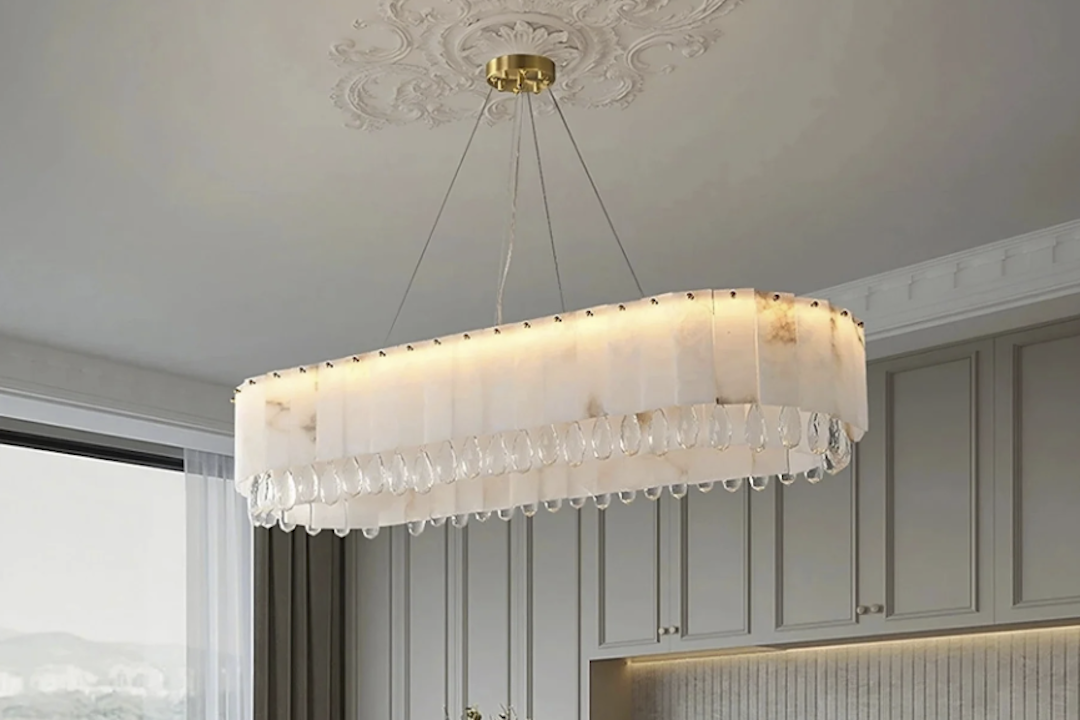
- Dining Rooms: Suspended above a dining table, they offer focused illumination for meals while contributing to the overall dining ambiance. The ring can mirror the shape of a round table or provide a contrasting geometric element above a rectangular one.
- Bedrooms: Smaller or dimmable ring chandeliers can provide soft, atmospheric lighting, creating a serene environment. They can be a subtle celestial body in your sleeping sanctuary.
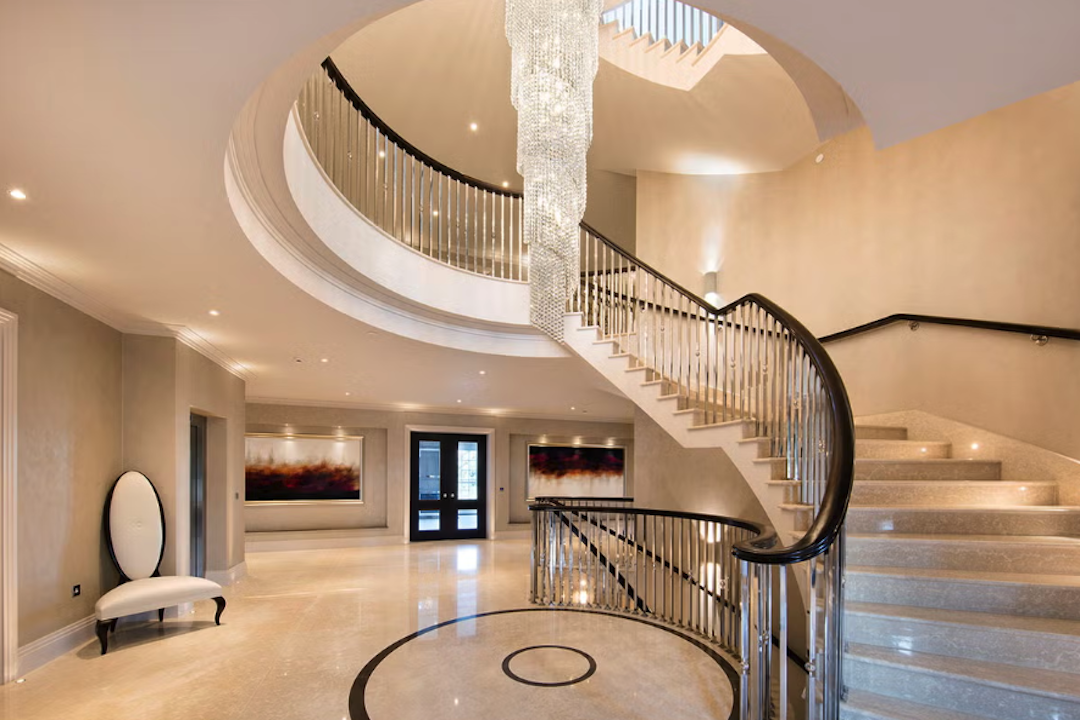
- Stairwells and Foyers: Their vertical presence can dramatically enhance transitional spaces, offering both illumination and a striking visual welcome. A multi-tiered ring chandelier in a stairwell can create a cascade of light as if pouring from above.
Commercial and Hospitality Settings
Modern ring chandeliers are equally effective in commercial and hospitality environments, where they contribute to branding and visitor experience.
- Lobbies and Reception Areas: In hotels and corporate offices, large-scale ring chandeliers create a grand first impression, conveying sophistication and modernity. They act as a beacon, guiding visitors and establishing architectural rhythm.
- Restaurants and Bars: They can define seating areas, add visual intrigue, and contribute to the establishment’s overall aesthetic. A cluster of smaller rings might create an intimate glow over individual tables.
- Retail Spaces: Used to highlight merchandise or create a luxurious shopping experience, their clean lines align with contemporary retail design. Think of them as illuminated halos showcasing products.
- Art Galleries and Museums: Their ability to provide even, diffused lighting makes them suitable for illuminating exhibition spaces without glare or harsh shadows.
Installation and Maintenance Considerations
Proper installation and ongoing maintenance are crucial for ensuring the longevity and optimal performance of a modern ring chandelier.
Installation Requirements
- Structural Support: Given their size and weight, particularly for larger multi-ring configurations, adequate ceiling structural support is paramount. Professional assessment of ceiling joists and appropriate mounting hardware are necessary.
- Electrical Wiring: Installation requires a dedicated electrical circuit, and for dimmable fixtures, compatible dimmers must be used. It is advisable to consult a qualified electrician.
- Height and Positioning: The optimal hanging height depends on the specific application and ceiling height. In dining areas, it should be high enough not to obstruct views or conversation but low enough to provide adequate task lighting. In general living spaces, it should clear head height.
Maintenance and Cleaning
- LED Longevity: One of the primary advantages of modern ring chandeliers using integrated LEDs is their extended lifespan, often tens of thousands of hours. This minimizes the need for frequent bulb replacement.
- Dusting: Regular dusting with a soft, dry cloth is usually sufficient to maintain cleanliness.
- Cleaning Finishes: For metal finishes, follow manufacturer guidelines. Avoid abrasive cleaners that can damage the surface. For acrylic or glass diffusers, a damp cloth with a mild, non-abrasive cleaner can be used, taking care not to scratch the material.
- Professional Servicing: For complex integrated systems or structural concerns, professional servicing may be required periodically.
The Future of Modern Ring Chandelier Design
The trajectory of modern ring chandelier design indicates a continued emphasis on technological integration, sustainability, and dynamic visual interaction.
Smart Lighting Integration
The integration of smart home technology is a significant area of development. Modern ring chandeliers are increasingly being designed with features such as:
- Dimmability and Color Temperature Control: Allowing users to adjust light intensity and color warmth to suit different moods and activities.
- App Control and Voice Command: Users can control the fixture remotely via smartphone apps or voice assistants, offering greater convenience and customization.
- Scheduled Lighting: Programming the chandelier to switch on/off or change light settings at specific times.
- Occupancy Sensors: Future iterations may incorporate sensors to automatically adjust lighting based on room occupancy, enhancing energy efficiency.
Sustainable Materials and Manufacturing
As environmental consciousness grows, manufacturers are exploring more sustainable practices:
- Recycled Materials: Utilizing recycled metals, glass, or plastics in the construction of fixtures.
- Energy-Efficient Production: Implementing manufacturing processes that minimize energy consumption and waste.
- Modular Design: Creating components that can be easily replaced or upgraded, extending the product’s lifespan and reducing waste.
- Bio-based Materials: Exploring the use of natural or bio-derived materials for certain components.
Dynamic and Interactive Designs
The static nature of traditional lighting is giving way to more dynamic and interactive concepts.
- Kinetic Elements: Chandeliers with moving rings or adjustable components that can change their configuration, offering varying aesthetics and light distribution. Imagine rings that subtly rotate or shift, creating an evolving sculpture of light.
- Programmable Light Patterns: The ability to program complex light sequences or animations, turning the chandelier into an art installation.
- Generative Design: Utilizing algorithms to create unique, complex ring patterns that are both aesthetically pleasing and structurally sound. This allows for forms that seem almost organically grown, rather than strictly manufactured.
Integration with Architectural Systems
Future developments will likely see modern ring chandeliers more deeply integrated into architectural systems. This could involve:
- Seamless Ceiling Integration: Designs that sit flush with the ceiling, becoming almost an extension of the architecture rather than a separate fixture.
- Environmental Sensors: Incorporating sensors that monitor air quality, temperature, or humidity, and subtlely change light output in response.
- Acoustic Properties: Designing chandeliers that also incorporate sound-absorbing panels or materials, contributing to acoustic comfort in a space.
The modern ring chandelier, therefore, is not merely a light source but a multifaceted design element that continually evolves in response to technological advancements, aesthetic trends, and environmental imperatives. Its adaptability and clean design ensure its continued relevance in contemporary interior design.