In the realm of home decor, subtle enhancements can have a significant impact. Among these, effective lighting plays a crucial role, not just for functionality but for setting mood and highlighting key elements. Battery-operated picture wall lights have emerged as a practical and versatile solution for those seeking to elevate their interiors without the complexities of traditional wiring. These devices offer a simple yet impactful way to draw attention to artwork, photographs, or any cherished item on your walls. Their appeal lies in their ease of installation, portability, and the targeted illumination they provide, allowing for focused light that enhances visual presentation.
The Advantages of Wireless Illumination
The primary advantage of battery-operated picture lights Garralighting is their independence from electrical outlets. This freedom liberates users from the constraints of existing wiring, opening up a wider range of placement options.
Unhindered Placement Strategies
Traditional picture lights often dictate their placement based on the proximity of power sources. This can limit the artistic freedom of an interior designer or homeowner. Battery-operated units circumvent this issue entirely. They can be mounted above any piece of art, regardless of whether a socket is nearby. This is particularly beneficial in older homes or in rooms where wall outlets are scarce or strategically placed for other purposes. Consider a gallery wall where each piece could benefit from individual spotlighting; battery-operated lights make this achievable without the need for unsightly extension cords or costly electrical work.
Simplicity in Installation and Maintenance
The installation process for battery-operated picture lights is generally straightforward. Most models come with basic mounting hardware and instructions that require minimal technical skill. This DIY-friendly approach appeals to individuals who prefer to manage their home improvements without professional assistance. Maintenance is equally uncomplicated. Replacing depleted batteries is a routine task that requires no specialized tools or knowledge. This low barrier to entry makes these lights an accessible option for a broad spectrum of users.
Designing with Targeted Light
The ability to direct light precisely is a key feature of battery-operated picture lights. This allows for deliberate accentuation, transforming a simple wall display into a focal point.
Highlighting Artwork and Photographs
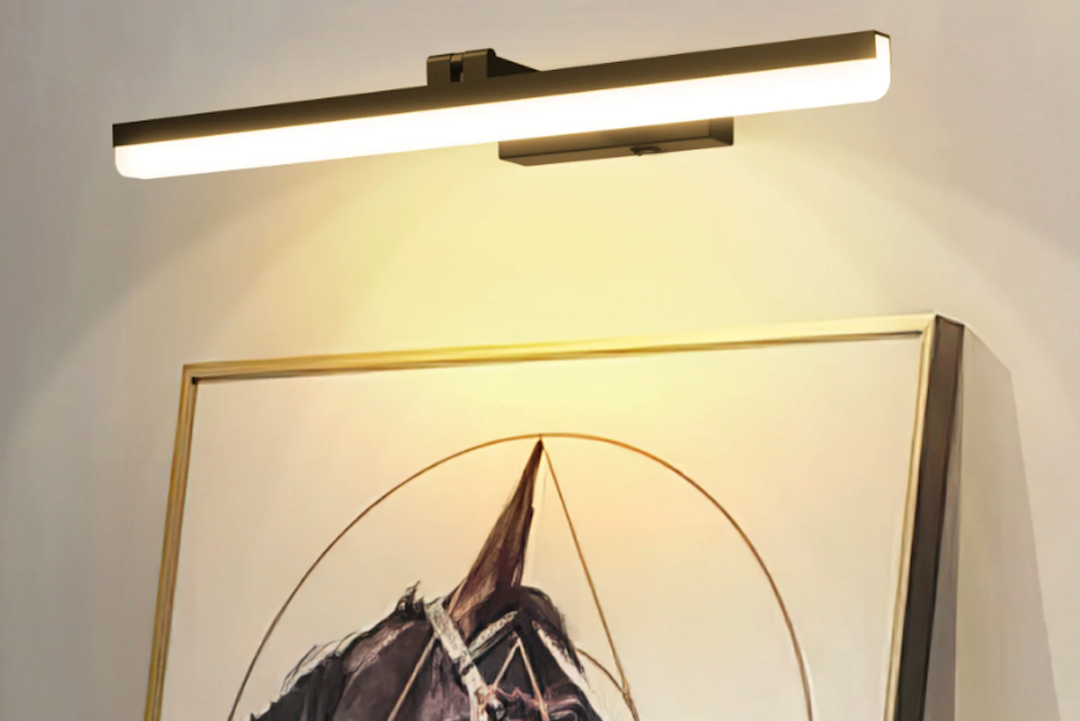
The most common application for these lights is, as the name suggests, to illuminate artwork and photographs. Proper lighting can reveal the nuances of color, texture, and detail that might otherwise be lost in ambient or indirect light. A focused beam from a battery-operated picture light can precisely highlight the brushstrokes of a painting or the fine details of a portrait. This focused illumination not only enhances the visual appeal of the artwork but also helps to protect it from the potential heat damage that some traditional lighting sources can cause.
Creating Emphasized Displays
Beyond singular pieces, battery-operated lights can be employed to create emphasis on curated displays. A collection of framed photographs on a shelf or a series of decorative plates can be individually lit to give each item its own prominence. This layered approach to lighting adds depth and interest to a wall, transforming a static display into a dynamic visual experience. Imagine a hallway lined with family photos; individual battery-operated lights above each frame can guide the viewer’s eye and create a more engaging narrative.
A Spectrum of Styles and Functionalities
The market offers a diverse range of battery-operated picture lights, catering to varying aesthetic preferences and functional needs.
Material and Finish Options
These lights are available in a wide array of materials and finishes, allowing them to seamlessly integrate into any decor style. From classic brushed nickel and antique brass to modern matte black and minimalist white, there is a finish to complement existing hardware and furniture. The materials used can also vary, with options ranging from metal alloys to durable plastics, each contributing to the overall durability and aesthetic of the fixture. This variety ensures that the lighting solution enhances, rather than detracts from, the intended visual theme of the space.
Adjustable Arm and Head Features
Many battery-operated picture lights offer adjustable arms and heads. This feature is invaluable for fine-tuning the light’s angle and coverage. An adjustable arm allows the user to extend or retract the light, controlling its distance from the illuminated object. The ability to swivel or tilt the light head provides precise control over the direction of the beam, ensuring that glare is minimized and the desired area is uniformly lit. This adaptability is particularly useful when dealing with artworks of different sizes or when the viewing angle might change.
Integrated LED Technology
The widespread adoption of LED technology has significantly improved the performance and efficiency of battery-operated lights. LEDs are known for their longevity, low energy consumption, and cool operation, making them ideal for illuminating delicate materials like photographs and artworks.
Energy Efficiency and Longevity
LED lights consume considerably less power than incandescent or halogen bulbs, translating to longer battery life. This reduces the frequency of battery replacements, saving both time and money. Furthermore, LEDs have an exceptionally long lifespan, often lasting tens of thousands of hours. This means that once installed, the light source itself requires minimal attention, contributing to the low-maintenance appeal of these fixtures.
Color Rendering and Brightness
Modern LED technology offers excellent color rendering capabilities, meaning that the colors of the illuminated artwork will appear true to life. The brightness of LED bulbs can also be controlled, with many models offering adjustable dimming features. This allows users to create different moods and adapt the lighting intensity to suit various times of day or specific viewing preferences. Dimmable options are particularly useful for avoiding over-illumination, which can be detrimental to certain types of artwork.
Beyond Artwork: Versatile Applications
While their name suggests a primary focus on pictures, battery-operated wall lights offer a broader range of applications that can enhance various aspects of home design.
Accent Lighting for Shelves and Bookcases
Decorative items displayed on shelves and in bookcases can benefit greatly from targeted lighting. Battery-operated lights can be strategically placed to highlight sculptures, vases, or collectibles, adding depth and visual interest to these areas. This creates a tiered effect, drawing the eye from the main display on the wall to the smaller, curated items within. Consider a bookshelf where each row of books could have a subtle accent light, emphasizing their spines and the overall organization of the collection.
Illuminating Decorative Elements
Beyond formal artwork, many homes feature decorative elements that warrant their own lighting. This could include textured wall panels, ornate mirrors, or even significant architectural features. Battery-operated picture lights can be used to cast dramatic shadows, highlight textures, or simply draw attention to these aesthetic touches, transforming them from static elements into dynamic components of the room’s design. A carefully placed light can reveal the intricate carving on a mirror frame or the subtle weave of a tapestry.
Enhancing Entryways and Hallways
Entryways and hallways are often transitional spaces that can be made more welcoming and functional with appropriate lighting. Battery-operated lights can be used to illuminate a console table, a mirror, or even a welcome mat, creating a warm and inviting atmosphere for guests and residents alike. In a hallway, a series of lights could guide visitors through the space, creating a sense of flow and encouraging exploration. This is particularly useful in areas that may not have direct overhead lighting.
Considerations for Selection and Placement
While the benefits are clear, thoughtful consideration of selection and placement will maximize the effectiveness of battery-operated picture lights.
Battery Type and Lifespan Assessment
When choosing a battery-operated light, it is important to consider the type of batteries it uses and the manufacturer’s estimated lifespan. Some lights use standard AA or AAA batteries, which are readily available but may require more frequent replacement depending on usage. Others utilize rechargeable battery packs, which can be a more sustainable and cost-effective long-term solution. Understanding the expected battery life in hours will help you gauge the long-term commitment and cost of maintaining the lighting.
Light Color Temperature and Brightness Levels
The color temperature of the light emitted by LEDs is measured in Kelvin (K). For artwork, a warmer color temperature (around 2700K-3000K) is generally preferred as it mimics natural daylight and presents colors accurately without appearing harsh. Brighter lights might be suitable for larger pieces or well-lit rooms, while dimmer lights can create a more intimate atmosphere. Many adjustable lights allow for both color temperature and brightness to be modified, offering greater control over the final aesthetic.
Mounting Hardware and Wall Surface Compatibility
The type of mounting hardware provided with the light fixture should be suitable for the intended wall surface. Most fixtures come with screws and wall anchors for drywall, but adjustments might be needed for plaster, brick, or wood surfaces. Ensure that the mounting mechanism is secure and can adequately support the weight of the light. For delicate wall coverings, consider utilizing adhesive mounting options if available and suitable for the weight and material of the light fixture.
Avoiding Glare and Over-Illumination
Careful placement is crucial to avoid glare on the illuminated surface and to prevent over-illumination, which can wash out colors and create an unflattering appearance. Angle the light so that it hits the artwork directly without reflecting back into the viewer’s eyes. Many adjustable lights allow for this fine-tuning. Consider the natural light sources in the room and how they interact with the artificial light from the picture lights to achieve a balanced and pleasing effect. Experiment with different angles and distances until the desired visual outcome is achieved.
Integrated Timers and Remote Controls
Some advanced battery-operated picture lights come with integrated timers or remote controls. Timers allow the lights to automatically turn on and off at set intervals, conserving battery life and providing convenience. Remote controls offer the ability to adjust brightness, color temperature, or power the lights on and off from a distance, further enhancing usability. These features can be particularly useful for creating automated lighting sequences or for easily adjusting settings without needing to physically access the light fixture.
Conclusion: A Practical Approach to Elevated Design
Battery-operated picture wall lights offer a practical and accessible solution for those seeking to enhance their living spaces. Their wireless nature, ease of installation, and targeted illumination capabilities make them a versatile tool for accentuating artwork, photographs, and decorative elements. The wide range of styles, finishes, and functionalities available ensures that there is a solution to suit any aesthetic and need. By carefully considering factors such as battery life, light temperature, and placement, individuals can effectively leverage these lighting fixtures to transform their walls and create more engaging and visually appealing interiors. The understated elegance and functional simplicity of battery-operated picture lights provide a compelling argument for their inclusion in modern home decor strategies.