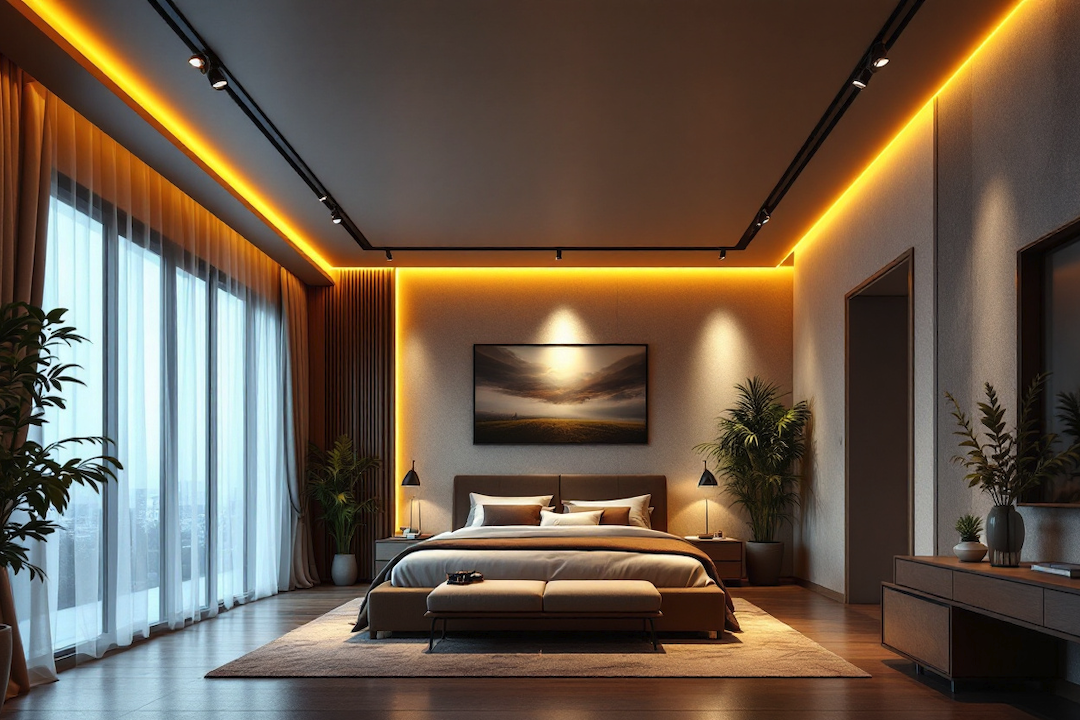
So, you’re thinking about those little lights that seem to disappear into the ceiling? You’re wondering if recessed spotlights are actually worth the effort and money to make your place feel a bit more special, right? The short answer is a definite yes, but with some important considerations. They’re not just about casting light; they’re a really effective way to shape the feel and functionality of a room without bulky fixtures taking up visual space.
The Basics: What Exactly Are Recessed Spotlights?
Think of recessed spotlights, also known as can lights Ilonalighting or downlights, as discreet lighting solutions. They are designed to be installed into the ceiling cavity, with only the light-emitting part visible. This means they provide a clean, minimalist look that can seriously upgrade the aesthetic of a room.
Beyond the Glow: Functionality and Aesthetics
It’s easy to think of lights purely as a functional necessity, but recessed spotlights prove that form and function can go hand-in-hand.
Minimizing Clutter, Maximizing Style
One of the biggest draws is how they eliminate the visual noise of traditional lamps or pendant lights. This is especially helpful in smaller spaces where bulky fixtures can make a room feel cramped. They maintain a clean ceiling line, contributing to a more open and airy feel.
Versatility in Design
From modern minimalist spaces to more traditional settings, recessed spotlights can adapt. Their unobtrusive nature means they complement, rather than compete with, your existing decor.
Installation: A Consideration, Not a Roadblock
While not a DIY project for everyone, the installation process is well-established. It typically involves cutting holes in the ceiling, running electrical wires, and then securing the light fixtures.
Professional Help is Often Best
Unless you’re experienced with electrical work, it’s usually wise to hire an electrician. They can ensure everything is up to code and safely installed. This peace of mind is often worth the cost.
Planning is Key
Before any cutting begins, thorough planning is essential. This includes deciding on the number of lights, their placement, and the type of bulbs you’ll use.
The “Ambiance” Factor: Shaping the Mood of a Room
This is where recessed spotlights really shine. They aren’t just about illumination; they’re about creating a specific atmosphere. The way you use them, and the type of light they emit, can dramatically alter how a space feels.
Strategic Placement for a Desired Effect
It’s not about scattering lights randomly. Thinking about what you want to highlight or how you want the light to fall is crucial.
Accent Lighting: Drawing Attention to Features
Want to show off that piece of art or a beautifully textured wall? Recessed spotlights directed at these specific elements act as accent lights. They create focal points and add depth to the room, making it more visually interesting.
Task Lighting: Functional Illumination
In areas where specific tasks are performed – like a kitchen counter, a reading nook, or a home office desk – recessed spotlights can provide focused, bright light. This ensures you have adequate illumination for the job at hand without overwhelming the entire room.
General Ambient Lighting: The Foundation
When used to provide a diffused, even light across the entire ceiling, recessed spotlights can serve as your primary source of ambient light. This is particularly effective in open-plan living areas where you want a consistent level of light without visible fixtures.
Avoiding the “Bowling Alley” Effect
A common pitfall is placing too many lights in a straight, rigid line. This can make a room feel sterile or like you’re in a commercial space, which is the opposite of what you typically want for ambiance.
The Power of Grouping and Spacing
Instead of a monotonous grid, consider grouping lights or spacing them more organically. This can create pools of light and shadow, adding visual interest and a softer feel.
The Importance of Dimmer Switches
This is a game-changer for ambiance. High-quality dimmer switches allow you to control the intensity of your recessed spotlights, transforming a brightly lit room into a cozy, intimate space with the flip of a switch. This flexibility is key to tailoring the mood for different times of day or activities.
The Impact of Bulb Choice: More Than Just Watts
The type of bulb you select for your recessed spotlights has a profound impact on the ambiance you create. It’s not just about how much light they produce, but the quality and color of that light.
Color Temperature: The Warmth Factor
This is probably the most critical aspect when it comes to ambiance. Color temperature is measured in Kelvin (K), and it dictates whether the light appears warm and cozy or cool and energizing.
Warm White (2700K – 3000K): For Cozy Vibes
This is the gold standard for creating a welcoming and relaxing atmosphere. It mimics the warm glow of incandescent bulbs and is ideal for living rooms, bedrooms, and dining areas where you want to unwind.
Cool White (3500K – 4100K): For Clarity and Focus
This provides a brighter, more neutral light that is good for kitchens, bathrooms, and workspaces where you need to see details clearly. It can feel a bit more clinical if used everywhere, so consider its application carefully.
Daylight (5000K+): For Task-Oriented Areas
This is a very bright, blue-toned light that closely mimics natural daylight. It’s best reserved for areas where maximum clarity is needed, like garages or very specific task lighting setups in a workshop.
Brightness (Lumens) and Beam Angle: Controlling the Spread
While color temperature sets the mood, lumens (how bright the light is) and beam angle (how wide the light spreads) are crucial for functionality and avoiding harshness.
Lumens: Finding the Right Intensity
Too many lumens in a small space can be overpowering. Conversely, not enough won’t provide adequate light. Lumens are the measure of light output, so choose based on the room size and intended use.
Beam Angle: Narrow vs. Wide
- Narrow Beam Angle (e.g., 15-30 degrees): This creates a focused spotlight, ideal for accent lighting on artwork or architectural features.
- Medium Beam Angle (e.g., 40-50 degrees): A good all-rounder that provides a balanced spread of light.
- Wide Beam Angle (e.g., 60-90 degrees): Diffuses light more broadly, suitable for general ambient lighting in larger areas.
LED Technology: Efficiency and Longevity
When choosing bulbs for recessed spotlights, LED is almost always the way to go.
Energy Savings
LEDs consume significantly less energy than traditional incandescent or halogen bulbs, leading to lower electricity bills.
Extended Lifespan
They last much longer, meaning fewer bulb changes and less waste. This is particularly beneficial for ceiling lights that can be difficult to access.
Instant On and Dimmability
Modern LEDs offer instant illumination and are compatible with a wide range of dimmer switches, giving you the control needed for ambiance.
Beyond the Living Room: Where Else Can They Work Wonders?
Recessed spotlights aren’t just for living areas. Their versatility makes them suitable for a surprising number of spaces, each with its own unique benefits.
Kitchens: Illuminating the Heart of the Home
Functionality is paramount in a kitchen, and recessed spotlights can provide it in spades.
Task Lighting for Prep and Cooking
Strategically placed lights over countertops and the stove area ensure you have excellent visibility for chopping, cooking, and baking, minimizing shadows.
Creating a Welcoming Atmosphere
When combined with dimmer switches and warm white bulbs, they can also contribute to a more relaxed dining or entertaining feel in an open-plan kitchen.
Bathrooms: Brightness and Style
In bathrooms, you often need a combination of bright task lighting and a more subdued, relaxing atmosphere.
Mirror Illumination
Lights positioned above or to the sides of a mirror provide ideal task lighting for grooming and applying makeup.
Overall Ambient Light
General recessed lighting in the ceiling can create a spa-like ambiance, especially when dimmed.
Hallways and Staircases: Safety and Flow
These transitional spaces can often be overlooked, but good lighting is crucial for safety and guiding the eye.
Preventing Tripping Hazards
Adequate, well-placed lighting on staircases can significantly reduce the risk of accidents.
Guiding Visitors
Recessed lights can subtly guide people through your home, creating a sense of flow and elegance.
Bedrooms: Creating a Sanctuary
The bedroom is all about relaxation and unwinding, and recessed spotlights can contribute significantly to this.
Soft, Adjustable Lighting
With dimmers and warm-toned bulbs, they can provide a gentle, ambient glow for evenings or a brighter light for reading.
Eliminating Overhead Harshness
They offer a softer alternative to a central ceiling fixture that might feel too bright or intrusive when you’re trying to relax.
Common Misconceptions and How to Avoid Them
Even with their benefits, there are a few common pitfalls to be aware of when it comes to recessed spotlights.
The “Swiss Cheese” Ceiling Syndrome
This is the term for a ceiling that’s over-peppered with lights, creating a chaotic and unappealing look.
Rule of Thumb for Spacing
A general guideline is to space lights the distance of the wall they are facing away from the wall. So, if a wall is 10 feet long, place lights about 10 feet apart from that wall, and then space them equally along that wall. However, this is just a starting point; the actual placement depends heavily on the light’s beam angle and what you’re trying to illuminate.
Consider the Room’s Purpose
A kitchen might need more lights for task areas than a bedroom. Always think about the primary function of the space.
Ignoring the Switch Configuration
Simply putting all your recessed lights on one switch can be a major missed opportunity for creating ambiance.
Zoning Your Lighting
Consider different switches for different groups of lights. For example, one switch for lights over the seating area, and another for lights over a kitchen island. This allows you to control different zones within a room independently.
The Essential Dimmer
As mentioned before, dimmers are non-negotiable for creating ambiance. Ensure your switches are compatible with your chosen bulbs.
Forgetting About Heat and Ventilation
Older recessed fixtures, especially those using incandescent bulbs, could generate a fair amount of heat. Modern LEDs are much cooler, but proper ventilation is still important for the longevity of the fixture and wiring.
Air-Tight vs. IC-Rated Fixtures
- Air-Tight: Designed to prevent air leakage into attic spaces.
- IC-Rated (Insulation Contact): Can be installed where insulation might come into direct contact with the fixture.
Ensure you select the correct type of fixture for your ceiling construction and insulation.
Using the Wrong Type of Recessed Fixture
There’s more to recessed fixtures than just the hole in the ceiling.
Trim Styles
The visible trim around the light can significantly impact the look. Options include baffle, cone, reflector, gimbal (adjustable), and more. Choose one that complements your decor.
Lighting Type (Integrated vs. Bulb)
- Integrated LEDs: The LED is built into the fixture itself. These are often more energy-efficient and can have a sleeker profile.
- Bulb-Based: These fixtures accept standard-sized bulbs (like GU10 or PAR bulbs), offering more flexibility in swapping out bulbs for different effects or brighter illumination.
Recessed spotlights, when planned thoughtfully and installed correctly, are a powerful tool for enhancing both the look and feel of your home. They offer a clean, modern aesthetic while providing the flexibility to create diverse moods and functional lighting scenarios.