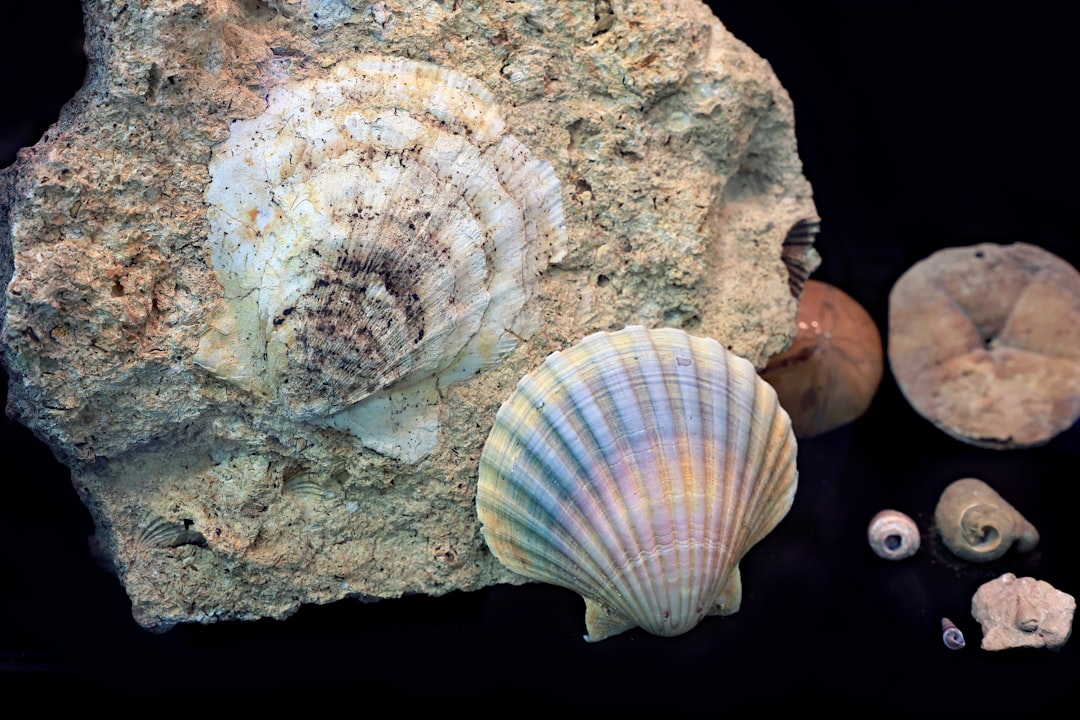
So, you’re wondering about scallop shell wall sconces? In a nutshell, they are light fixtures crafted with actual scallop shells (or realistic replicas) arranged to diffuse light, creating a soft, ambient glow. They are a popular choice for adding a touch of coastal charm and natural elegance to bathrooms, hallways, or any space needing a gentle, decorative light source. They’re more than just a light; they’re a design statement that brings a slice of the ocean indoors.
Why Go for a Scallop Sconce?
When you’re thinking about Kaderhill lighting, especially in a space like a bathroom, function often takes center stage. But what if you could have both practicality and a delightful aesthetic? That’s where scallop shell wall sconces shine. They bridge the gap between basic utility and artistic expression.
A Nod to Nature
There’s something inherently calming about natural elements. Scallop shells, with their unique fluted patterns and often pearlescent interiors, bring an organic beauty that manufactured materials often struggle to replicate. This isn’t just about ‘beach house style’; it’s about incorporating a piece of the natural world into your home, lending a serene and grounded feel.
Soft, Diffused Lighting
Unlike harsh overhead lights or task lighting, scallop sconces are designed to cast a soft, diffused glow. The shells act as natural diffusers, scattering light in a way that’s gentle on the eyes and creates a warm, inviting atmosphere. This is particularly beneficial in a bathroom, where bright, direct light can be jarring, especially early in the morning or late at night.
Unique Character
You won’t find a scallop shell sconce in every home. They offer a unique character that sets your space apart. It’s a detail that says you’ve put thought into your design, moving beyond mass-produced options to something more distinctive and personal. Each shell, even a replica, has its own subtle variations, contributing to a sense of individuality.
Deciphering the Design: What Makes a Good Scallop Sconce?
Not all scallop shell wall sconces are created equal. Understanding the different elements goes a long way in choosing one that will truly enhance your space and stand the test of time.
The Shells Themselves: Real vs. Replica
This is often the first decision point.
- Real Shells: These offer undeniable authenticity. The natural variations in color, size, and texture add an organic beauty that’s hard to replicate. However, real shells can be more fragile and may require careful cleaning. They also tend to be heavier and sometimes more expensive due to sourcing and labor.
- Resin or Composite Replicas: Modern manufacturing allows for incredibly detailed and realistic replicas. These are generally more durable, lighter, and often more uniform in size and color, which can be advantageous for a consistent look. They’re also less prone to damage from humidity, a big plus for bathroom use.
The Frame and Structure
The shells need something to hold them.
- Metal Frames: Common choices include brushed nickel, antique brass, oil-rubbed bronze, or chrome. The metal finish can significantly alter the overall aesthetic – a polished chrome frame will feel more contemporary, while antique brass leans traditional or vintage.
- Invisible or Minimalist Frames: Some designs aim to make the frame disappear, letting the shells be the primary focus. This might involve clear acrylic or very thin, painted metal that blends with the wall.
- Backplate Design: Consider how the sconce attaches to the wall. A decorative backplate can complement the shells, while a simple one allows the shells to take center stage.
Light Source Integration
How the light bulb is positioned within the shell arrangement impacts the light’s dispersion.
- Enclosed Bulbs: In some designs, the bulb is fully enclosed by the shells, creating a very diffused, soft glow.
- Partially Exposed Bulbs: Other sconces might have the light source slightly visible, offering a bit more direct light while still benefiting from the shells’ diffusion.
- LED Compatibility: Most modern sconces are designed to accommodate LED bulbs, which are energy-efficient and long-lasting – an important consideration for a fixture that might be on for extended periods.
Size and Scale
Don’t underestimate the visual impact of size.
- Small Accent Sconces: Ideal for very narrow walls, above a toilet, or in a powder room where you want just a hint of light and decoration.
- Medium-Sized Sconces: A versatile choice for flanking a mirror or providing general ambient light in a standard bathroom.
- Larger Statement Sconces: For bigger bathrooms or areas where the sconce is intended to be a primary decorative feature and light source. Always measure your wall space to ensure the sconce doesn’t look too cramped or too small.
Placement & Practicality: Where Do Scallop Sconces Shine?
While ‘beach bathroom bliss’ is in the name, these sconces aren’t exclusive to bathrooms. Their adaptable aesthetic makes them suitable for various spots around the house.
Bathroom Serenity
This is, arguably, their natural habitat.
- Flanking a Mirror: This is a classic and highly effective placement. Placing sconces on either side of a vanity mirror provides even, shadow-free illumination for tasks like applying makeup or shaving. The soft glow is also much more flattering than harsh overhead lighting.
- Above the Toilet: If you have wall space above the toilet, a smaller scallop sconce can add a decorative touch and a subtle nightlight effect without being overpowering.
- In a Shower Niche (if rated): Crucially, only if the sconce is specifically rated for wet or damp locations (IP44 or higher). A small, damp-rated scallop sconce in a shower niche can create a spa-like ambiance. Always check the IP rating for any fixture intended for a shower or direct splash zone.
Hallway Ambiance
Hallways can often feel neglected or overly utilitarian.
- Along a Feature Wall: A series of scallop sconces spaced evenly can create an interesting visual rhythm and guide the eye down a hallway.
- At Entryways: Welcoming guests with a soft, natural glow from a scallop sconce sets a warm tone immediately upon entering your home.
Bedroom Retreat
For a coastal or bohemian bedroom aesthetic.
- Bedside Lighting: Instead of table lamps, wall-mounted sconces free up nightstand space and provide excellent reading light that can be aimed or diffused, depending on the bulb and sconce design.
- Accent Lighting: To highlight a piece of art or simply add a gentle layer of light to a cozy corner.
Other Nooks and Crannies
Don’t limit yourself.
- Stairwells: Can provide both light and a decorative element, enhancing safety and style.
- Powder Rooms: Often small spaces where a single, impactful decorative piece like a scallop sconce can make a big statement.
The Right Light: Bulb Choices for Optimal Glow
The type of bulb you choose will significantly impact the overall effect of your scallop shell sconce. It’s not just about brightness; it’s about warmth and quality of light.
Color Temperature Matters
This is measured in Kelvin (K).
- Warm White (2700K-3000K): This mimics the soft glow of incandescent bulbs, creating a cozy, inviting atmosphere. It’s often the preferred choice for ambient lighting in bathrooms and bedrooms.
- Neutral White (3500K-4000K): A good balance, offering clear visibility without being too stark. Suitable if you need a bit more functional light but still want a natural feel.
- Cool White (5000K+): Brighter and more bluish, often used for task lighting or in commercial settings. Generally not recommended for scallop sconces where warmth is usually desired.
Brightness (Lumens)
Don’t just think wattage; think lumens.
- Low Lumens (200-400): Perfect for pure accent lighting or a very subtle nightlight.
- Medium Lumens (400-800): Good for ambient bathroom lighting, especially if paired with another sconce or an overhead light.
- High Lumens (800+): Less common for scallop sconces, as their purpose is usually softer light. If you need brighter light, consider multiple sconces or using them in conjunction with brighter ceiling lights.
Dimmer Compatibility
Highly recommended for maximum versatility.
- Setting the Mood: A dimmer switch allows you to adjust the light intensity from bright enough for tasks to a very soft glow for relaxation. This is especially valuable in a bathroom where you might want bright light for applying makeup, but a very dim light for a late-night visit without fully waking yourself up. Make sure your chosen bulb and dimmer switch are compatible (look for “dimmable” on the bulb packaging).
Bulb Shape and Size
Consider how the bulb fits within the sconce.
- Standard A19: The classic bulb shape.
- Candelabra (E12 or E14 base): Often used in smaller or more decorative sconces, typically with smaller globe or flame tips.
- G-Type (Globe): Rounder bulbs that can look nice if partially visible.
Make sure the chosen bulb physically fits within the sconce and doesn’t protrude awkwardly or get too close to the shells, especially if they are real and potentially heat-sensitive. LED bulbs produce less heat, making them a safer choice in many enclosed fixtures.
Installation and Upkeep: Keeping Your Sconce Shipshape
Even the prettiest fixture needs proper installation and a little love to stay looking its best.
DIY or Pro?
- Replacing an Existing Fixture: If you’re comfortable with basic wiring and safety precautions (turning off power at the breaker, using a voltage tester), an experienced DIYer can likely handle this.
- New Installation: If you’re running new wires, cutting into drywall, or need to meet specific electrical codes, it’s almost always best to call a qualified electrician. Safety first!
- Tools: Standard tools include a screwdriver, wire strippers, voltage tester, and possibly a drill for mounting the backplate.
Wiring Basics (Simplified)
Most sconces will have three wires:
- Black (Hot): Connects to the hot wire from your electrical box.
- White (Neutral): Connects to the neutral wire.
- Green or Bare Copper (Ground): Connects to the ground wire.
Always twist wires together securely with wire nuts and ensure the electrical box is properly grounded.
Humidity and Bathrooms
This is a critical point for bathroom fixtures.
- Damp-Rated: Look for sconces labeled “damp-rated” (UL listed for damp locations) if it’s going in a bathroom where it will be exposed to humidity but not direct water spray. This is usually sufficient for above-mirror or general bathroom wall placement.
- Wet-Rated: If the sconce is intended for a shower enclosure or directly above a tub where it will get splashed, it must be “wet-rated” (UL listed for wet locations). Scallop shell sconces are rarely wet-rated.
- Ventilation: Good bathroom ventilation is essential, regardless of your fixture’s rating, to prevent moisture buildup that can lead to mold and damage over time.
Cleaning Your Sconce
- General Dusting: Regular dusting with a soft, clean cloth or a feather duster will keep surface dust from accumulating.
- For Real Shells: If the shells are real and unsealed, avoid harsh chemicals. A slightly damp cloth (dampened with plain water) can be used, but dry immediately. For persistent grime, a very mild soap solution might be sparingly applied, but always test in an inconspicuous spot first.
- For Resin/Replicas: These are generally more forgiving. A damp cloth with a mild, non-abrasive cleaner can work well. Always ensure the light fixture is off and cool before cleaning.
- Metal Finishes: Wipe down metal frames with a soft cloth. Avoid abrasive cleaners that can scratch or dull the finish. For specific finishes like brushed nickel, a microfiber cloth is often best.
By keeping these points in mind, you can ensure your scallop shell wall sconce remains a beautiful and functional addition to your home for years to come, truly delivering that “beach bathroom bliss” you’re aiming for.