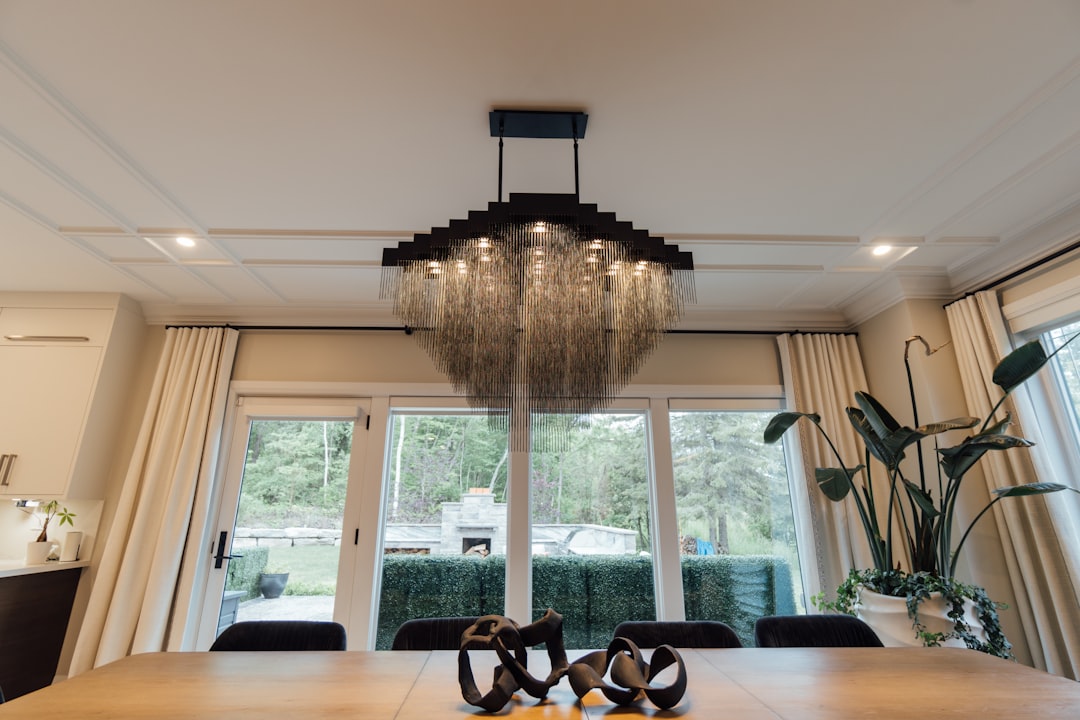
So, you’re looking at upgrading your dining room lighting and wondering about those multi-functional dining chandeliers? Good question! The short answer is yes, they’re a fantastic way to add both serious style and practical smarts to your dining space. Think beyond just a pretty light fixture; these are becoming design workhorses, offering more than just illumination. They can adapt to your needs, enhance ambiance, and even integrate with your smart home. Let’s dive into what makes them so popular and what you should be looking for.
Forget the idea of a chandelier just being a static, decorative piece. A multi-functional dining chandelier is designed with more than one purpose in mind, blurring the lines between aesthetics and utility. This often translates to:
- Adjustable Lighting: The most common feature. This could mean dimmable bulbs, adjustable brightness levels, or even different color temperature settings (from warm, cozy tones to brighter, task-oriented light).
- Integrated Technology: Think smart home compatibility, built-in speakers for background music, or even air purification features (yes, really!).
- Storage or Display Elements: Some designs incorporate shelves, hooks, or other small integrated features for practical use, though this is less common in typical chandelier forms.
- Kinetic or Movable Parts: While not strictly “functional” in the tech sense, some chandeliers feature elements that move or adjust, adding a dynamic visual interest.
The core idea is to make your dining room lighting Zomier work harder for you, enhancing both the look and the usability of the space.
The Rise of the “Smart” Chandelier
This is where things get really interesting. The integration of technology has propelled dining chandeliers into a new era of functionality.
Smart Home Integration is Key
Most modern multi-functional chandeliers are designed to play nice with your existing smart home ecosystem. This means you can control them using:
- Voice Assistants: “Hey Google, dim the dining room lights to 50%.” Or “Alexa, set the dining chandelier to warm white.” It’s incredibly convenient, especially when your hands are full or you’re relaxing.
- Smartphone Apps: Dedicated apps allow for granular control over brightness, color temperature, and scheduling. You can even create custom lighting scenes for different occasions – a romantic dinner, a lively family meal, or a focused work session.
- Automation and Routines: This is where the real magic happens. Imagine your chandelier automatically dimming and turning to a warm glow as your evening routine begins, or brightening for breakfast. You can set up schedules for waking up, winding down, or even simulating occupancy when you’re away.
Beyond Basic Illumination: Integrated Features
Some manufacturers are pushing the boundaries even further. While still niche, these features are becoming more accessible:
- Built-in Speakers: This is a popular addition for creating ambiance. Imagine your chandelier not only illuminating your dinner party but also playing subtle background music. These are often Bluetooth-enabled and surprisingly good quality for their size, blending seamlessly into the design.
- Air Purification: This might sound a bit sci-fi, but some chandeliers are now incorporating air purification technology. Using UV-C light or ionization, they aim to remove airborne pollutants, allergens, and odors from your dining space. It’s a subtle way to improve the air quality while you dine.
- Adjustable Color Temperature and Brightness Control: While this falls under smart integration, it’s worth highlighting as a standalone functional aspect. Being able to seamlessly shift from a bright, cool light for meal prep to a soft, warm glow for dinner conversation completely transforms the mood of the room.
Versatile Lighting for Every Occasion
The beauty of a multi-functional dining chandelier lies in its adaptability. Your dining room isn’t just for one thing, so why should your lighting be?
Creating Ambiance for Entertaining
When you’re hosting, the lighting can make or break the atmosphere.
- Dimming Capabilities: This is paramount. Gradually dimming the lights as the evening progresses signals relaxation and intimacy. A good multi-functional chandelier will offer a wide dimming range, from bright enough for guests to see their food clearly to a subtle glow for a more romantic setting.
- Warm White Tones: The ability to switch to warmer color temperatures (around 2700K to 3000K) creates a cozy, inviting atmosphere. This is particularly effective for dinner parties and family gatherings.
- Pre-set Lighting Scenes: Many smart chandeliers allow you to save your favorite lighting configurations. Have a “Dinner Party” scene ready to go with the perfect dimness and color temperature, or a “Game Night” scene that’s a bit brighter and more energizing.
Practical Lighting for Everyday Life
It’s not all about fancy dinner parties. Your dining room is likely used for much more.
- Task Lighting for Meals: Sometimes, you just need good light to see your food properly, especially if you’re plating or dealing with younger eaters. The ability to brighten the chandelier without it being blinding is a real plus.
- Homework and Crafting: If your dining table doubles as a workspace or a craft area for kids, adjustable brightness is a lifesaver. You can crank up the light to prevent eye strain during detailed tasks.
- Morning Brightness: For breakfast or catching up on the news, a brighter, cooler light can be more energizing. The flexibility to adjust this easily means your chandelier works for you at any time of day.
Adapting to Different Room Layouts
Beyond the light itself, some multi-functional chandeliers offer physical adaptability.
- Adjustable Height and Reach: While less common with chandeliers than with pendants, some designs might offer some degree of adjustability in their suspension. This can be helpful in rooms with lower ceilings or when you want to position the light precisely over the table.
- Integrated Directional Lights: Some designs incorporate small, adjustable spotlights within the chandelier structure. This allows you to direct light to specific areas, perhaps to highlight artwork on a nearby wall or to provide focused light on a buffet table.
Style Meets Substance: Design Trends
Multi-functional doesn’t mean sacrificing style. In fact, designers are creating increasingly sophisticated and aesthetically pleasing options.
Minimalist and Modern Aesthetics
The trend towards clean lines and uncluttered spaces has heavily influenced chandelier design.
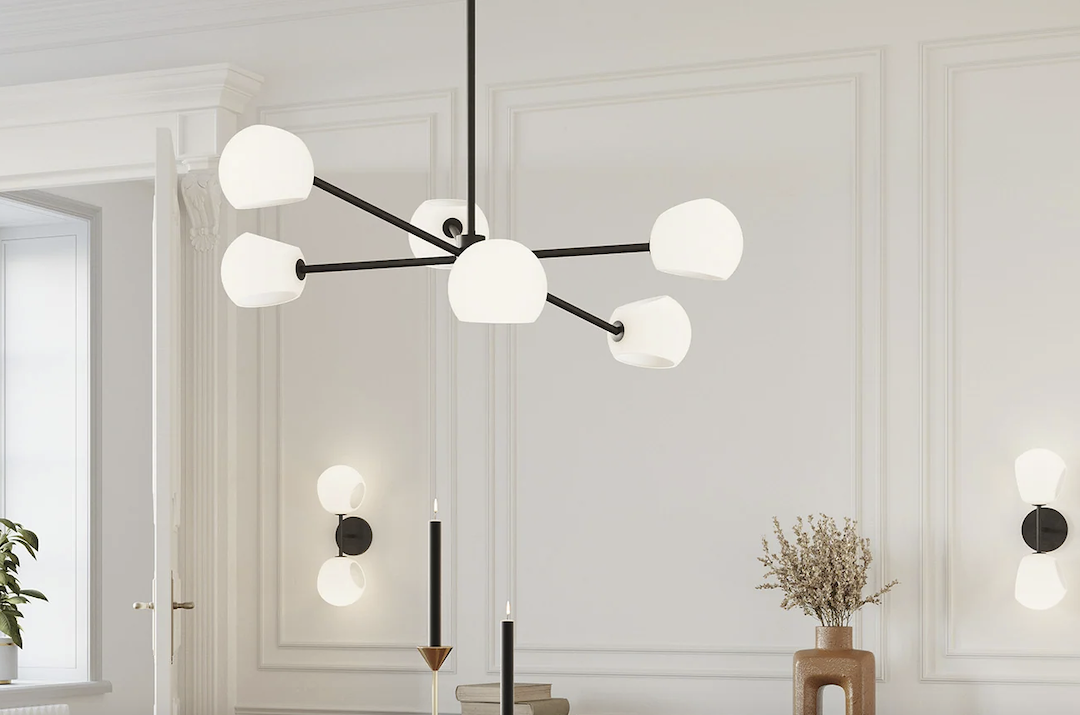
- Sleek Silhouettes: Think geometric shapes, brushed metals (like brass, nickel, or matte black), and simple forms. These chandeliers often feature integrated LED strips rather than traditional bulbs, contributing to their minimalist look.
- Material Innovation: Beyond metal and glass, you’ll see chandeliers incorporating natural materials like wood accents, concrete elements, or even textured fabrics in their shades. These add warmth and a unique tactile quality.
- Focus on Form: The chandelier itself becomes a sculptural element in the room. Even with integrated tech, the overall design is prioritized to be a statement piece.
Industrial and Rustic Influences
These styles are also embracing multi-functional features in their own unique ways.
- Exposed Hardware and Edison Bulbs: While traditional Edison bulbs aren’t always “smart,” many industrial-inspired chandeliers now incorporate dimmable LED versions that mimic the vintage aesthetic. The focus is on the raw, utilitarian look.
- Reclaimed Materials: Chandeliers made from repurposed wood, metal pipes, or vintage industrial parts often come with the ability to house smart bulbs or offer adjustable downlights.
- Layered Lighting: Industrial designs often feature multiple light sources within a single fixture, allowing for a more dynamic and layered lighting effect. This naturally lends itself to multi-functional capabilities.
Statement Pieces with a Twist
Some designers are creating truly unique chandeliers that integrate function in unexpected ways.
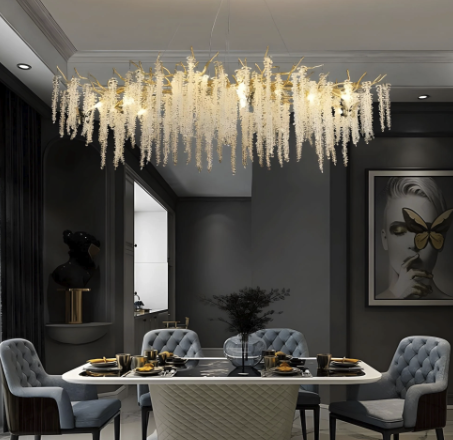
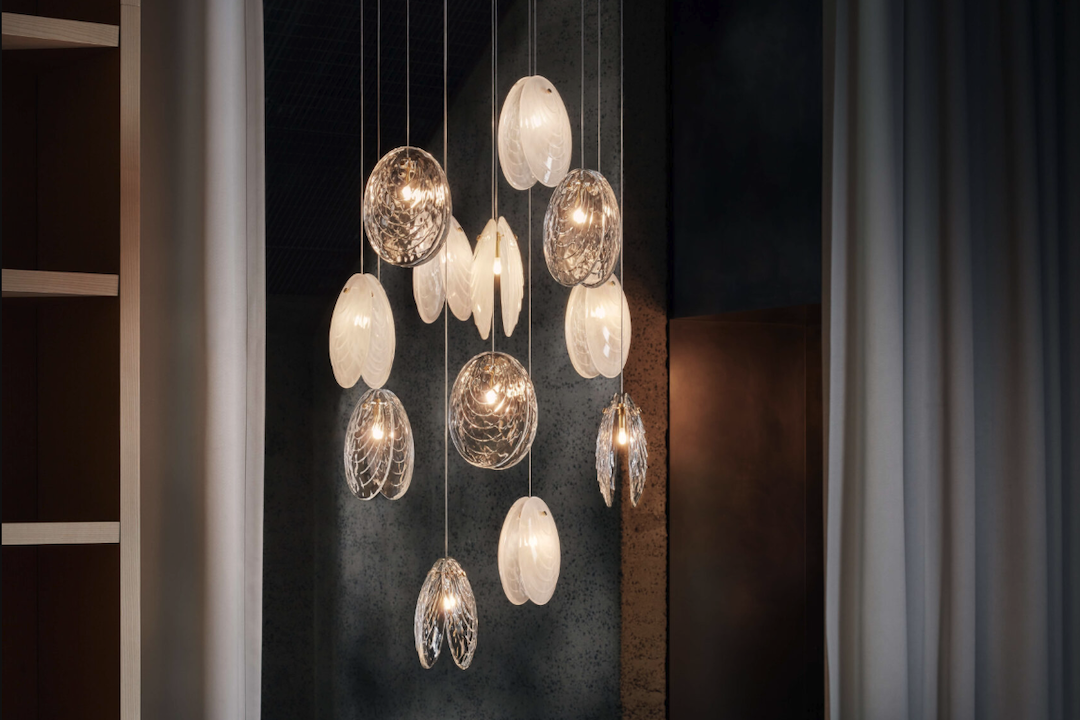
- Sculptural and Artistic Designs: These are less about fitting into a specific style and more about making a bold artistic statement. They might incorporate kinetic elements, unusual material combinations, or dramatic scale, all while offering smart lighting controls.
- Color and Texture Play: Gone are the days when chandeliers were solely about neutral tones. You’ll find fixtures in deep jewel tones, muted pastels, or with textured finishes that add depth and personality.
- Integrated Features as Design Elements: In some cases, the integrated technology isn’t hidden away but is deliberately showcased as part of the design, adding a futuristic or high-tech edge.
What to Consider Before You Buy
Jumping into a multi-functional dining chandelier is exciting, but a little forethought goes a long way.
Your Existing Smart Home Ecosystem
- Compatibility is Crucial: If you’re an Amazon Alexa household, ensure the chandelier is Alexa-compatible. If you prefer Google Assistant, check for that integration. Apple HomeKit is another popular option.
- Wi-Fi and Bluetooth: Understand how the chandelier connects. Does it require a separate hub? Does it connect directly to your Wi-Fi, or does it use Bluetooth? This will affect setup and potential range.
- App Experience: Do some research on the manufacturer’s app. Is it intuitive and user-friendly? Check reviews for any common complaints about the app’s performance or features.
The Size and Scale of Your Dining Room
- Proportion Matters: A chandelier that’s too big will overwhelm a small dining room, and one that’s too small will get lost in a large space. Measure your room and the dining table to ensure proper scale.
- Hanging Height: Consider your ceiling height. You want the chandelier to hang at a height where it’s visible but doesn’t obstruct views or heads when people are standing. Standard guidelines suggest 30-36 inches above the tabletop.
- Table Size: The width of your chandelier should ideally be about half to two-thirds the width of your dining table for a balanced look.
Lighting Needs and Preferences
- Brightness Levels: How much light do you generally need? Do you prefer very bright illumination or a softer glow? Look for chandeliers with a high lumen output if you need significant brightness.
- Color Temperature Range: Do you want the flexibility to go from very warm (cozy, romantic) to cooler (task-oriented, energizing) light? A wider Kelvin range (e.g., 2200K to 5000K) offers more versatility.
- Specific Features: Are the integrated speakers or air purification features important to you, or are you primarily focused on advanced lighting control? Don’t pay for features you won’t use.
Installation and Maintenance
- Professional Installation Recommended: Many multi-functional chandeliers, especially those with integrated technology, can be complex to install. It’s often best to hire a qualified electrician to ensure it’s done safely and correctly.
- Bulb Replacement: If the chandelier uses integrated LEDs (which is common for modern designs), bulbs are not typically replaceable in the traditional sense. The fixture is designed to last for many years. If a component fails, it might mean replacing the entire fixture.
- Cleaning: Consider the materials and design. Chandeliers with intricate details or delicate finishes might require more careful cleaning than simpler, sleeker designs.
Budget Considerations
Multi-functional dining chandeliers can range significantly in price.
- Entry-Level Smart Options: You can find basic smart dimmable chandeliers at more accessible price points.
- Mid-Range with Advanced Features: Expect to invest more for features like color temperature adjustment, built-in speakers, or higher-quality materials.
- High-End and Designer Pieces: Truly unique or cutting-edge multi-functional chandeliers, especially those with advanced integrations or bespoke designs, can be quite an investment.
By carefully considering these points, you can confidently choose a multi-functional dining chandelier that not only elevates your dining room’s style but also significantly enhances its practicality for your everyday life.