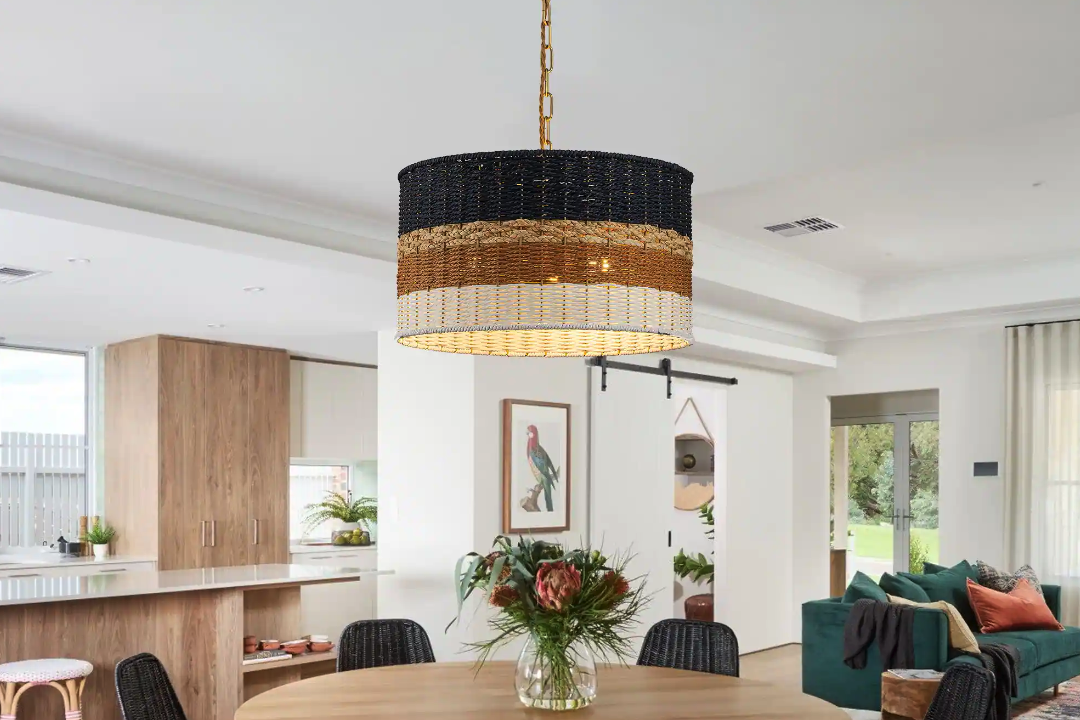
So, you’re thinking about a rope chandelier for your coastal dining room? Great choice! It’s a fantastic way to inject that breezy, nautical vibe without going overboard. Think less cheesy gift shop, more refined seaside getaway. This isn’t just about adding a light fixture; it’s about weaving a story of the ocean into your space. We’ll dive into why it works, what to look for, and how to make it shine in your dining area, all without you having to channel your inner sailor. Let’s get this nautical knot untangled!
There’s something undeniably charming about rope in a coastal setting. It’s functional, it’s natural, and it evokes images of sailing ships, fishing nets, and seaside docks. A rope chandelier Dililamp isn’t just a light source; it’s a statement piece that taps into this rich maritime heritage.
The Natural Appeal of Rope
Rope, in its many forms, brings an organic texture and warmth that can be missing from more polished materials.
Jute vs. Sisal vs. Hemp
The type of rope you choose can subtly alter the feel. Jute often has a slightly coarser, more rustic look. Sisal can be a bit smoother and lighter in color. Hemp offers a lovely balance of texture and natural tone. Consider the overall aesthetic you’re aiming for. Is it a weathered, lived-in feel, or something a touch more refined?
The Tactile Experience
Beyond the visual, rope has a tactile quality. It feels good to the touch and adds a layer of sensory interest to the room. This can make a dining space feel even more inviting and comfortable.
Beyond the Literal: Nautical Charm
A rope chandelier isn’t just for rooms you’d expect to see nautical themes. It can add a sophisticated touch of coastal character to almost any dining room. It’s about hinting at the sea, not shouting about it.
Subtle Sophistication
Instead of tacking on obvious seashell decor (which has its place, but isn’t always the goal), a rope chandelier offers a more nuanced way to bring in that maritime influence. It’s a design element that whispers “coast” rather than yelling it.
Versatility in Style
While it screams “coastal,” rope chandeliers can surprisingly adapt to other styles. Think about a farmhouse dining room with a rope pendant, or a more modern space looking for a touch of organic texture. It’s a flexible element.
Types of Rope Chandeliers to Consider
When you think “rope chandelier,” don’t just picture a ball of twine hanging from the ceiling. There’s a surprising range of designs out there, each offering a unique take on the nautical theme.
The Classic Rope Pendant
This is often what comes to mind for many. A single rope, or a few twisted strands, artfully draped or wrapped around a frame.
Simple & Elegant
These often feature a minimalist design, with the rope itself being the star of the show. They can be hung as a single pendant or in a cluster.
Integrated with Materials
You’ll find many that combine rope with other materials like aged metal (think brass or iron), wood, or even glass accents. This can elevate the design and make it feel more substantial.
Orb and Sphere Designs
These are a popular choice, featuring rope meticulously wrapped around a spherical or orb-like frame.
Dramatic Statement Pieces
These can be quite substantial and act as a real focal point in a dining room. The intricate wrapping of the rope creates a visually stunning effect.
Variations in Density
The density of the rope wrapping can vary, from loosely woven to tightly packed, affecting the overall light diffusion and visual weight.
Multi-Tiered and Branching Designs
For a more dramatic and grand statement, consider multi-tiered or branching rope chandeliers.
Larger Scale Impact
These are ideal for larger dining rooms where a single, smaller fixture might get lost. They create a sense of presence and can be quite sculptural.
Intricate Weaving
The way the rope is woven and arranged in these designs can be incredibly intricate and visually complex, offering a lot to take in.
Rope Accents on Fixtures
Sometimes, the rope isn’t the main material but an accent to a more traditional chandelier frame.
Adding Texture to Metal or Wood
A metal chandelier might have rope intertwined around its arms, or a wooden frame could be partially wrapped. This is a great way to add that nautical touch without it being overwhelming.
Subtle Maritime Hint
This approach offers a subtler nod to the nautical theme, perfect for those who want just a touch of coastal charm.
Material Matters: Choosing the Right Rope
Not all rope is created equal, especially when it comes to how it looks and holds up in a home setting. Think about the texture, color, and durability of what you’re choosing.
Natural Fibers: The Go-To
When we talk about rope chandeliers, we’re usually talking about natural fibers. They offer that authentic, organic feel.
Jute: Rustic and Rich
Jute has a distinct, slightly fibrous texture and a warm, earthy tone. It’s a popular choice for its accessibility and inherent rustic charm. It can feel a little more “beachy” and less “boaty.”
Sisal: Smoother and Lighter
Sisal, derived from agave plants, generally has a smoother finish and a lighter, more natural color. It can lend a slightly more refined look than jute, while still maintaining that natural feel. It feels a bit more “seaside villa” than “fishing trawler.”
Hemp: Durable and Elegant
Hemp rope offers good durability and a pleasing texture. It can sometimes have a slightly more uniform appearance than jute, making it suitable for designs that lean towards a cleaner, more structured aesthetic. It feels like a mid-point between the other two, offering a good balance.
Synthetic Alternatives: When to Consider
While natural fibers are the primary choice, sometimes synthetics can have their place.
Durability and Maintenance
Some synthetic ropes can offer greater durability and easier maintenance, especially in areas prone to moisture or high traffic. However, they often lack the authentic feel and depth of natural fibers.
Aesthetic Compromise
Be mindful that synthetic ropes can sometimes look less authentic or feel “plastic-y.” If the goal is genuine nautical charm, stick to natural materials.
Color and Finish Considerations
The color of the rope itself plays a big role.
Natural Tones
Most rope chandeliers stick to natural, unbleached tones – from light beige to deeper browns. This is where the authenticity lies.
Aged or Distressed Finishes
Some designs might incorporate rope that has been treated or dyed to look aged or distressed. This can add to the vintage nautical feel, mimicking ropes that have seen the sea.
Clean and Bright Options
While less common, you might find rope dyed in lighter shades, or even whitewashed finishes, for a fresher, brighter take on the nautical theme. This is for a more minimalist coastal vibe.
Placement and Scale: Making it Work in Your Dining Room
Where you hang your rope chandelier and its size relative to your room are crucial for a successful design. It’s not about just finding a rope chandelier, but finding the right one for your dining room.
The Central Focus
In most dining rooms, the chandelier is the star of the show above the table.
Above the Dining Table
This is the most traditional and impactful placement. Ensure it’s centered over your table, whether it’s a rectangular, round, or oval design.
Height is Key
The height is critical to avoid obstruction. You want it low enough to be a focal point and create intimacy, but high enough so guests don’t bump their heads. The general rule is about 30-36 inches from the tabletop to the bottom of the fixture. Some prefer a bit higher for unobstructed conversation.
Scale of the Fixture
The size of the chandelier needs to be proportionate to your dining table and room.
Matching the Table
A chunky, large rope chandelier might overwhelm a small, delicate table. Conversely, a tiny pendant over a massive table will look lost. A good rule of thumb for a round table is the diameter of the chandelier should be about half to two-thirds the diameter of the table. For rectangular tables, the chandelier’s length should be about two-thirds the table’s length.
Room Dimensions
Beyond the table, consider the overall dimensions of your dining room. A grand, multi-tiered chandelier might be perfect for a spacious room with high ceilings, but would feel out of place in a smaller, cozier nook.
Beyond the Table: Other Considerations
While the dining table is the primary focus, think about how the chandelier interacts with the rest of the room.
Ceiling Height
Higher ceilings can accommodate larger and more elaborate chandeliers, including those with longer drops or multiple tiers. Lower ceilings might call for a more streamlined, flush-mount, or shorter-hanging rope fixture.
Open Concept Living
If your dining room is part of an open-concept space, the chandelier’s scale and style should also complement the adjoining areas. It should feel cohesive with the overall flow.
Visual Balance
Think about the visual weight of other elements in the room – the size of your buffet, the artwork on the walls. The chandelier should feel balanced within the entire composition.
Integrating with Your Coastal Decor
A rope chandelier is a fantastic starting point, but it truly shines when tied into your existing coastal decor. It’s about creating a harmonious scene, not just dropping a theme piece into a room.
Complementary Materials and Colors
Think about other materials and colors that evoke the coast.
Natural Woods
Weathered woods, driftwood tones, rattan, or wicker furniture beautifully complement the natural texture of rope. They enhance the organic, seaside feel.
Blues, Greens, and Neutrals
Incorporate shades of ocean blue, sandy beige, soft greens, or crisp whites in your upholstery, artwork, or accessories. These colors reinforce the coastal palette.
Aged Metals
Brass, copper, or bronzed metal accents can add a touch of classic nautical hardware, reminiscent of ship fittings.
Texture Play
The rope chandelier already brings a significant textural element. Build on this.
Linen and Cotton Fabrics
Soft, natural fabrics like linen and cotton for curtains, tablecloths, or cushions will enhance the relaxed, coastal ambiance.
Woven Baskets and Accents
Woven baskets, seagrass mats, or jute rugs can echo the texture of the rope, creating a unified tactile experience.
Nautical Motifs, Subtly Applied
You can lean into other nautical elements, but do so with intention.
Subtle Artwork
Think framed prints of seascapes, abstract art in coastal colors, or even subtly placed maritime maps rather than overt novelty items.
Minimalist Accents
A few carefully chosen pieces like a decorative oar, a piece of driftwood, or a glass buoy can add charm without making the room feel like a cliché.
Lighting Choices
Consider other light fixtures. Perhaps a lantern-style pendant in another area, or sconces with a weathered metal finish. These can all work together.
The “Lived-In” Look
Coastal design often embraces a comfortable, slightly lived-in aesthetic.
Comfortable Seating
Ensure your dining chairs are comfortable and inviting. A few cushions might be just the thing.
Soft Furnishings
Think about flowy curtains that catch the breeze, or a soft rug underfoot.
The goal is to create a space that feels both stylish and inviting, a place where you can relax and enjoy a meal with a hint of the seaside. A rope chandelier is a brilliant way to start building that atmosphere.